
 Call us:+91-484 2885910 (Reception Orthopedics; 9am to 5pm Mon-Sat), +91-484-2885621 (22,23,24)
Doctor's mobile - +91 9497559755 (whatsApp anytime)
Call us:+91-484 2885910 (Reception Orthopedics; 9am to 5pm Mon-Sat), +91-484-2885621 (22,23,24)
Doctor's mobile - +91 9497559755 (whatsApp anytime)
Shoulder Arthroscopy – Frequently Asked Questions
1. What is shoulder arthroscopy?
Answer:
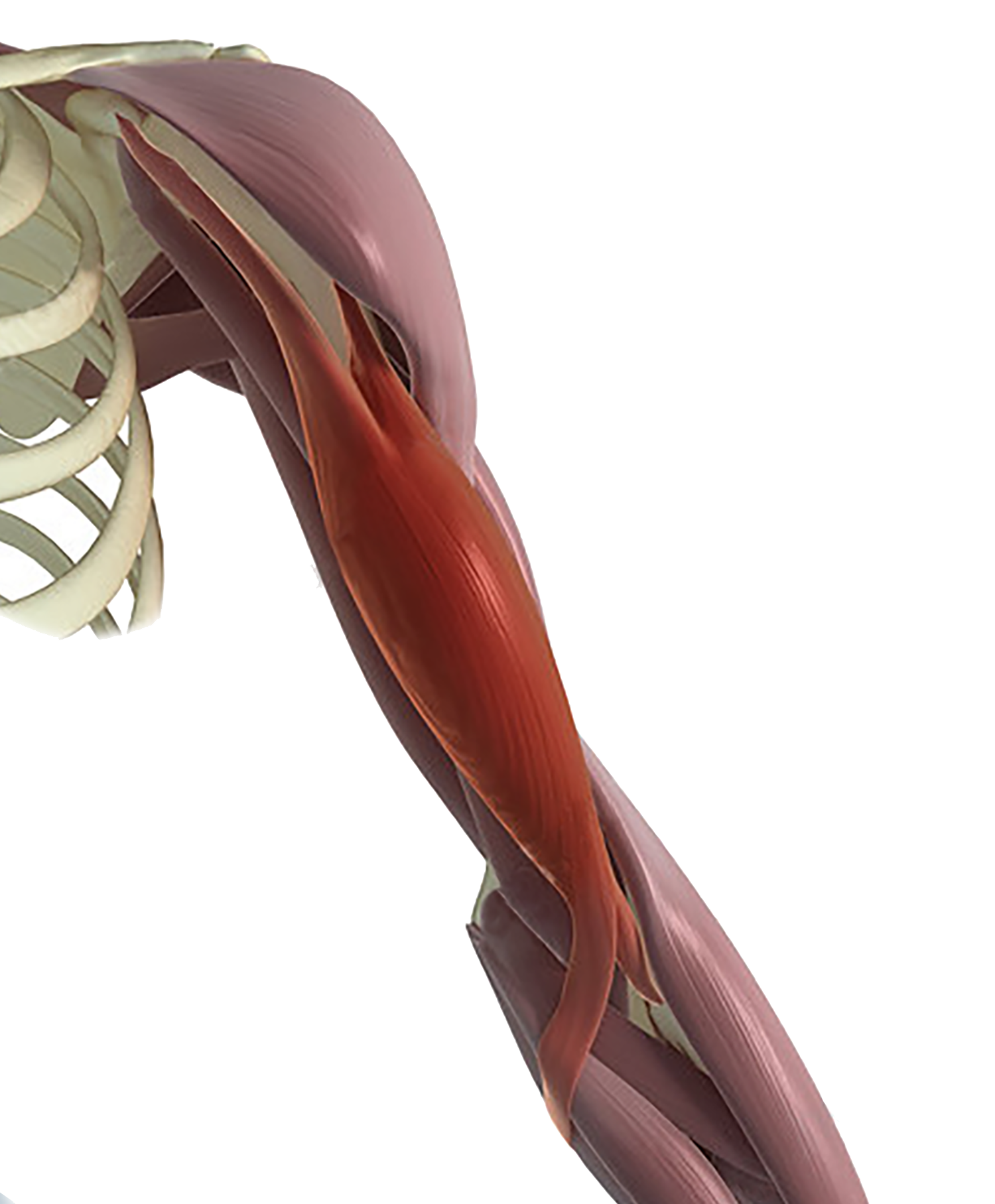
Shoulder arthroscopy is a minimally invasive (keyhole) surgery where a small camera (arthroscope) is inserted into the joint through tiny incisions. It allows precise diagnosis and treatment of shoulder problems with minimal tissue damage.
2. What conditions can be treated with shoulder arthroscopy?
Answer:
Common conditions include:
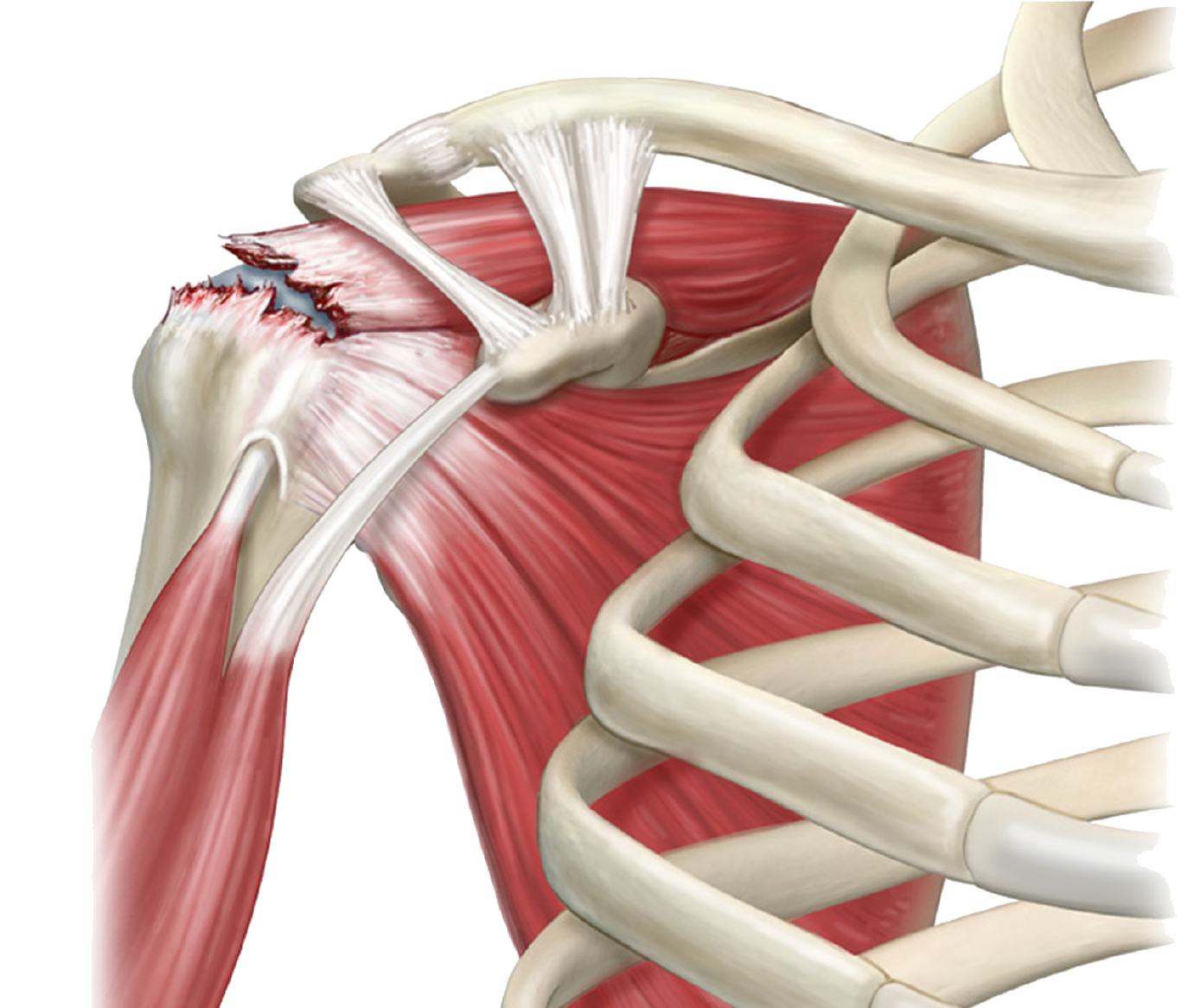
- Rotator cuff tears
- Shoulder instability and dislocations
- Labral tears (Bankart, SLAP lesions)
- Impingement syndrome
- Frozen shoulder (selected cases)
- Loose bodies and early arthritis
3. Is arthroscopic surgery better than open surgery?
Answer:
In most cases, yes. Arthroscopy offers:
- Smaller incisions
- Less pain
- Faster recovery
- Better visualization of the joint
However, some complex conditions may still require open or combined procedures.
For most shoulder pathologies today, arthroscopy is the gold standard in experienced hands.
4. Is shoulder arthroscopy painful?
Answer:
Pain is usually well controlled. Most patients receive regional anesthesia (nerve block), which keeps the shoulder numb for several hours after surgery. Post-operative pain is typically much less than traditional open surgery.
5. How long does the surgery take?
Answer:
It depends on the procedure:
- Diagnostic arthroscopy: 20–30 minutes
- Rotator cuff repair: 60–120 minutes
- Instability repair: 60–90 minutes
6. Will I need to stay in the hospital?
Answer:
Most arthroscopic procedures are done as day-care surgeries, meaning you can go home the same day. Occasionally, an overnight stay may be advised.
7. How long is the recovery after shoulder arthroscopy?
Answer:
Recovery varies by procedure:
- Minor procedures: 2–4 weeks
- Instability repair: 3–4 months
- Rotator cuff repair: 4–6 months
Physiotherapy is essential for optimal recovery.

8. Will I need to wear a sling after surgery?
Answer:
Yes, in most cases. The duration depends on the procedure:
- Simple procedures: few days to 1–2 weeks
- Rotator cuff or instability surgery: 3–6 weeks
9. When can I return to work or sports?
Answer:
- Desk work: 1–2 weeks
- Light activities: 4–6 weeks
- Sports (especially overhead): 4–6 months
Return is always guided by healing and rehabilitation progress.
10. What are the risks of shoulder arthroscopy?
Answer:
Complications are uncommon but may include:
- Infection
- Stiffness
- Re-tear (in cuff repairs)
- Persistent pain
- Nerve injury (rare)
Choosing an experienced surgeon significantly reduces these risks.
11. Are the results of arthroscopy permanent?
Answer:
In most cases, results are long-lasting. However, outcomes depend on:
- Size and severity of injury
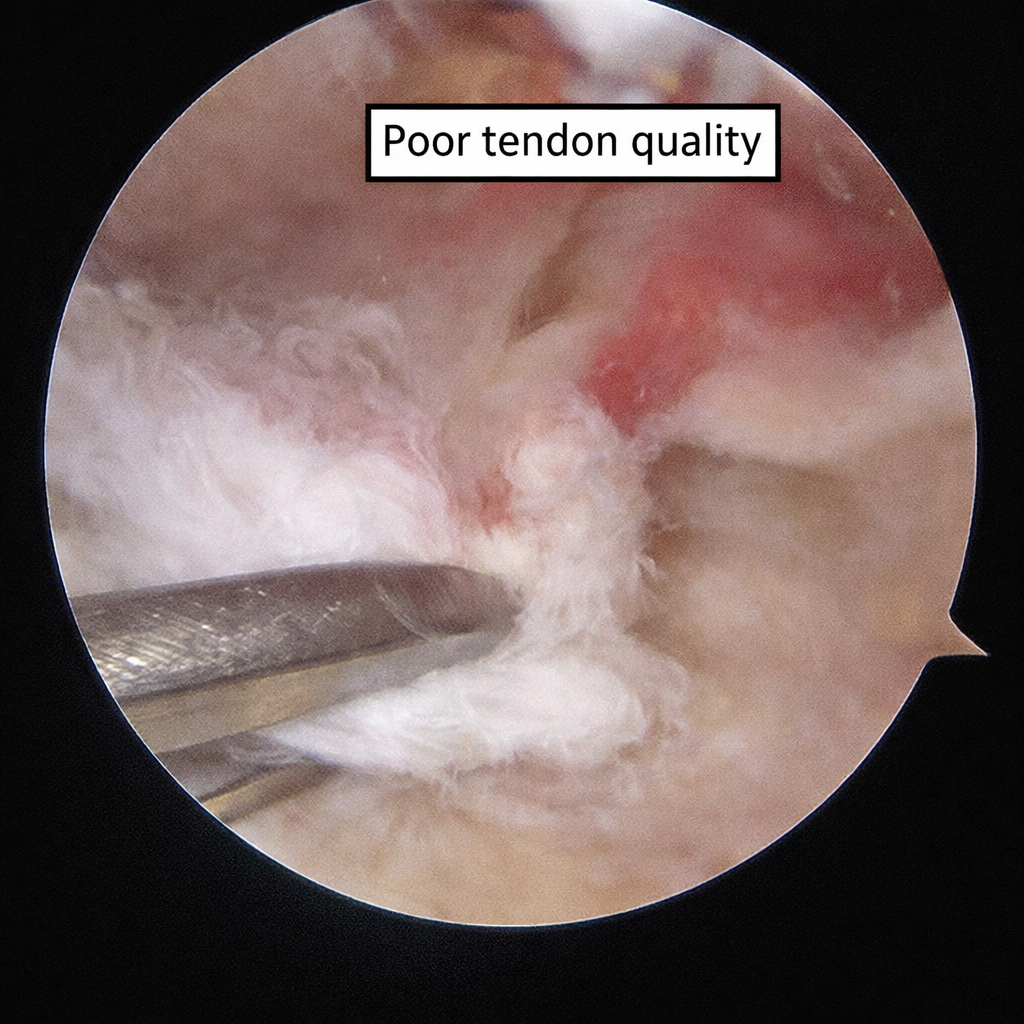
- Tissue quality
- Patient compliance with rehab
12. What is the success rate of shoulder arthroscopy?
Answer:
Success rates are generally high:
- Instability surgery: >90% stability
- Rotator cuff repair: 80–90% good outcomes
Early treatment and proper rehabilitation make a big difference.
13. Will I have scars after arthroscopy?
Answer:
Scars are minimal — typically small puncture marks that fade over time. Cosmetic outcome is significantly better compared to open surgery.
14. Can elderly patients undergo shoulder arthroscopy?
Answer:
Yes, if medically fit. Age alone is not a limitation — the decision depends more on tendon quality, functional demand, and overall health.
Arthroscopic Latarjet changes life of Violinist

Recent Posts

Sr. Consultant Orthopedic Surgeon, Prof & Head,
Institute of Advanced Orthopedics, MOSC Medical College Hospital, Kolenchery, Kochi, Kerala, India - 682311


