
 Call us:+91-484 2885910 (Reception Orthopedics; 9am to 5pm Mon-Sat), +91-484-2885621 (22,23,24)
Doctor's mobile - +91 9497559755 (whatsApp anytime)
Call us:+91-484 2885910 (Reception Orthopedics; 9am to 5pm Mon-Sat), +91-484-2885621 (22,23,24)
Doctor's mobile - +91 9497559755 (whatsApp anytime)
Helping Your Rotator Cuff Heal Naturally
What is the Regeneten Bioinductive Implant?
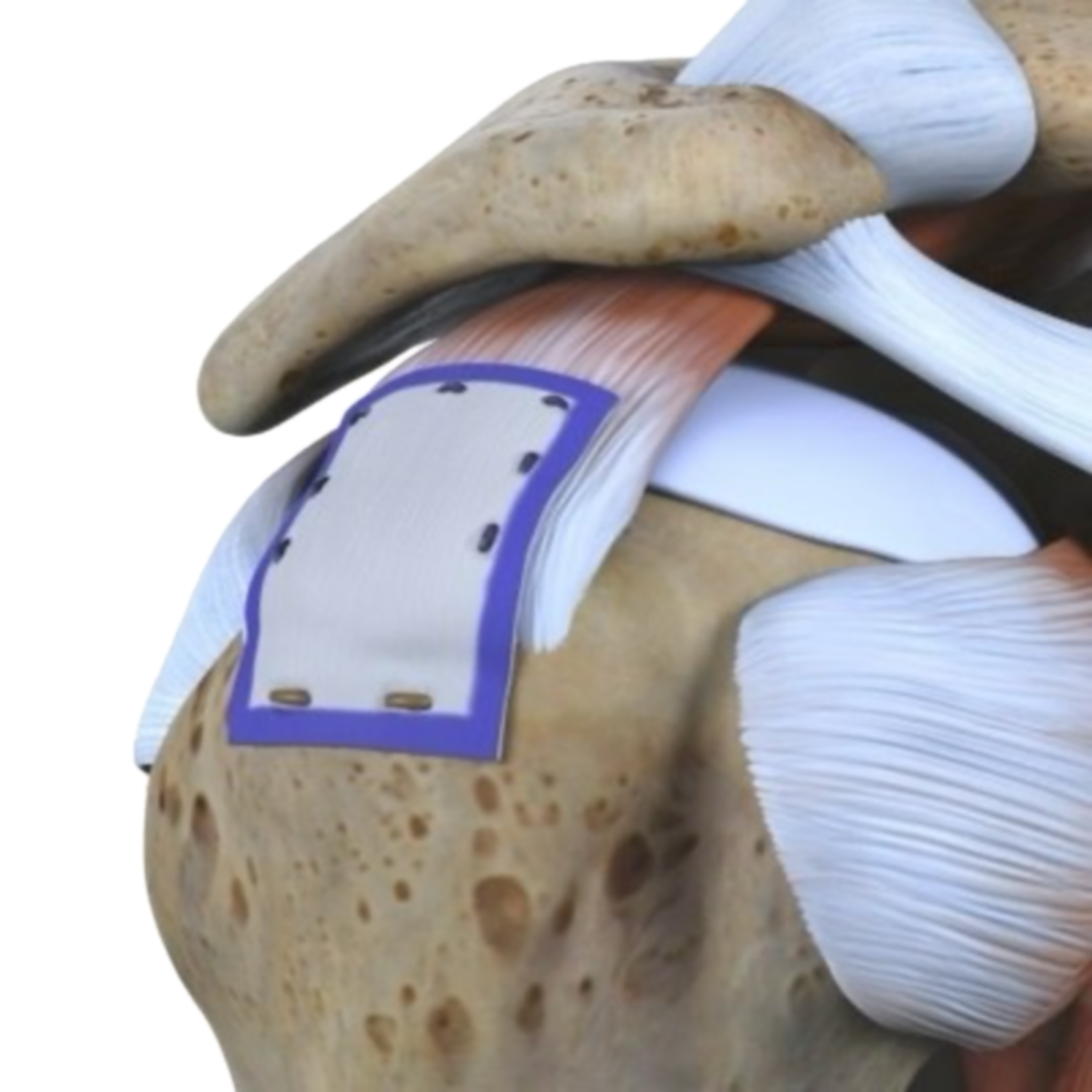
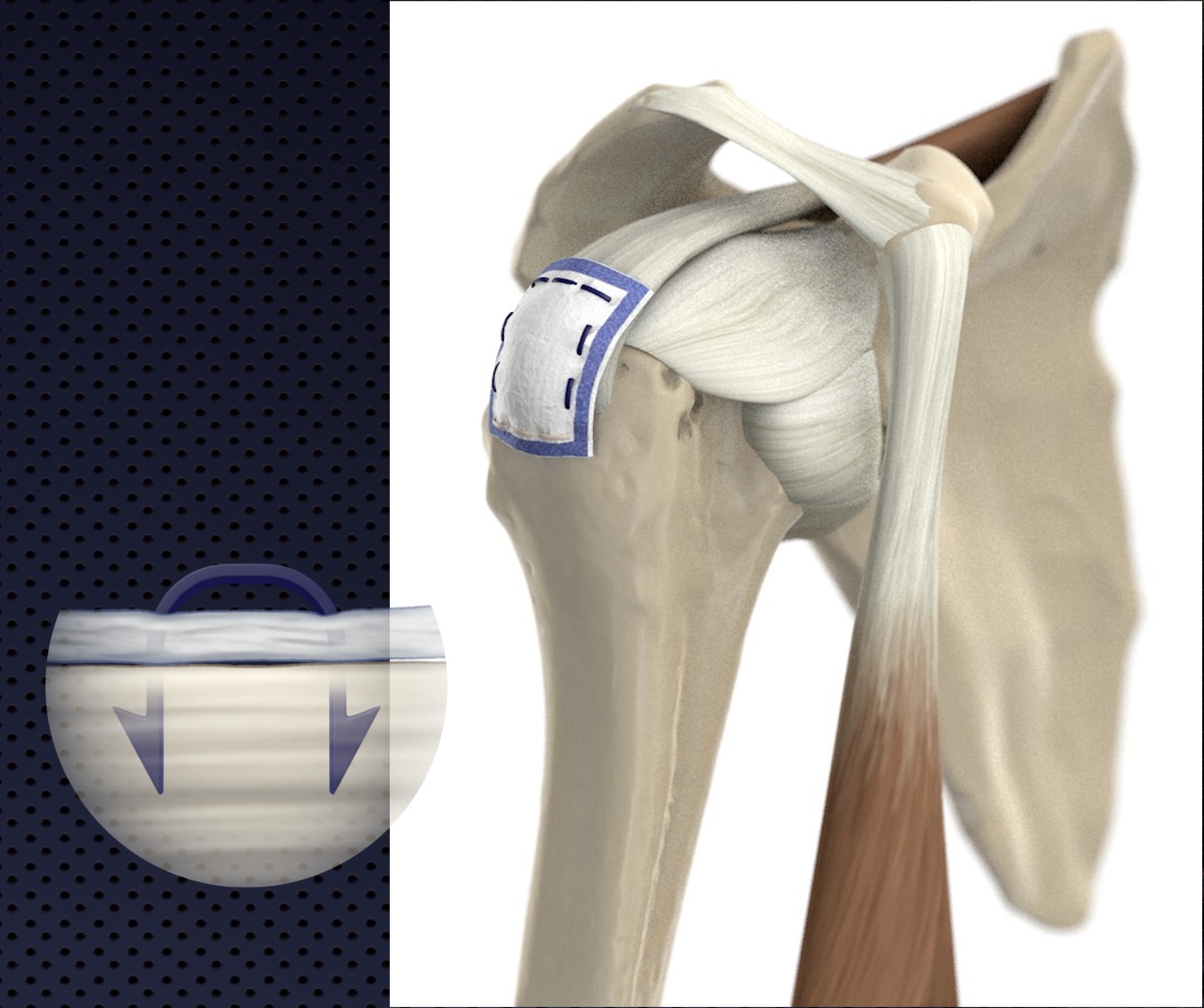
The Regeneten™ Bioinductive Implant is a special collagen-based patch used during shoulder arthroscopy to help a damaged rotator cuff tendon heal.
Unlike traditional patches that replace tissue, Regeneten acts as a scaffold that encourages your body to grow new tendon-like tissue over the damaged area.
Over time, the implant is absorbed by the body while new healthy tissue develops.
What is the Rotator Cuff?
The rotator cuff is a group of tendons that help lift and rotate your shoulder.
When these tendons become worn out or torn, patients may experience:
- Shoulder pain
- Difficulty lifting the arm
- Weakness
- Night pain
- Difficulty playing sports or performing overhead activities
How Does Regeneten Work?
The implant is placed arthroscopically (through keyhole surgery) over the damaged tendon.
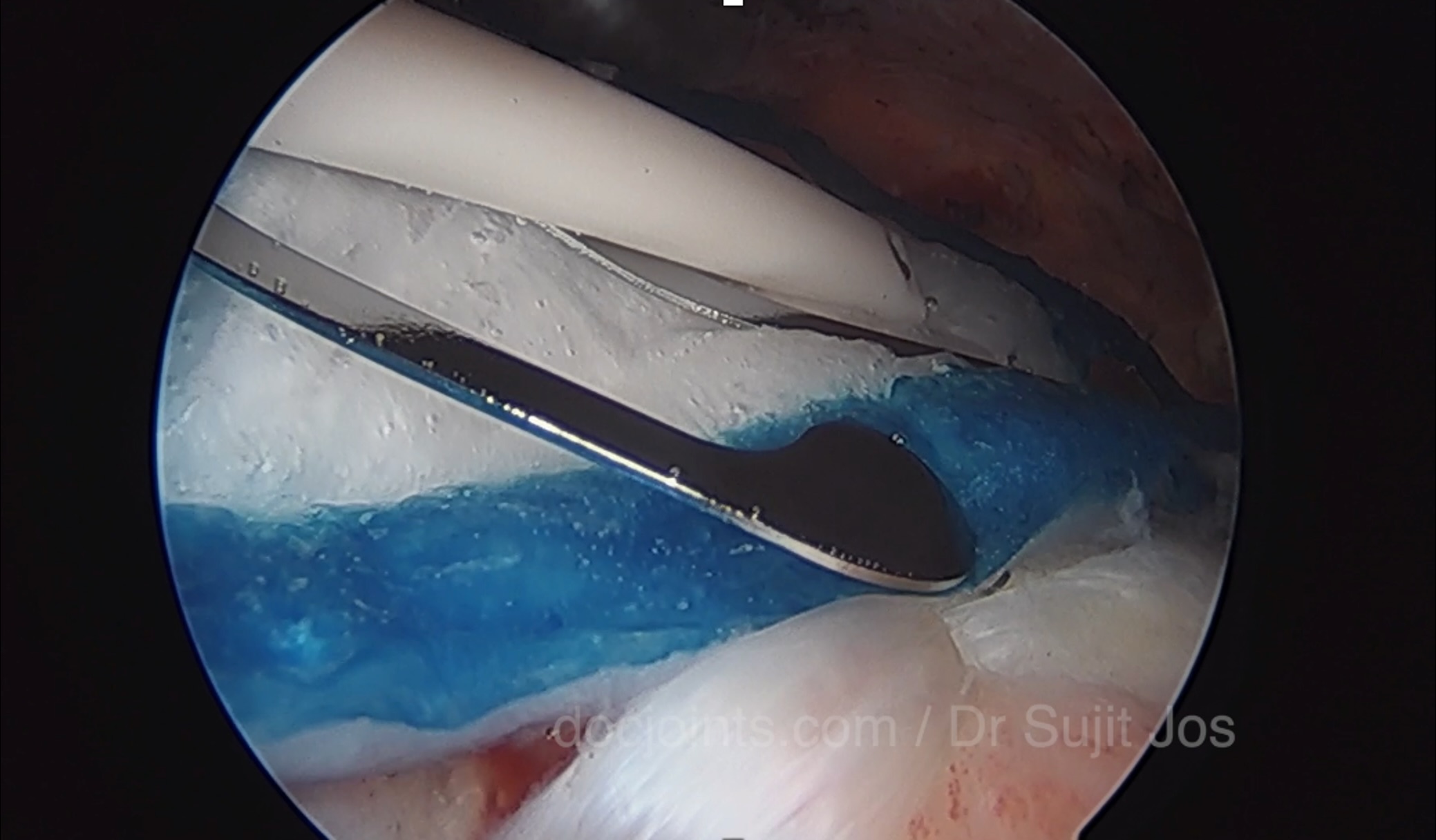
It acts as a biological scaffold that:
✔ Stimulates new tissue growth
✔ Increases tendon thickness
✔ Supports healing
✔ Reduces stress on the repaired tendon
✔ May decrease the risk of re-tearing in selected patients
Who May Benefit from Regeneten?
The implant may be useful in:
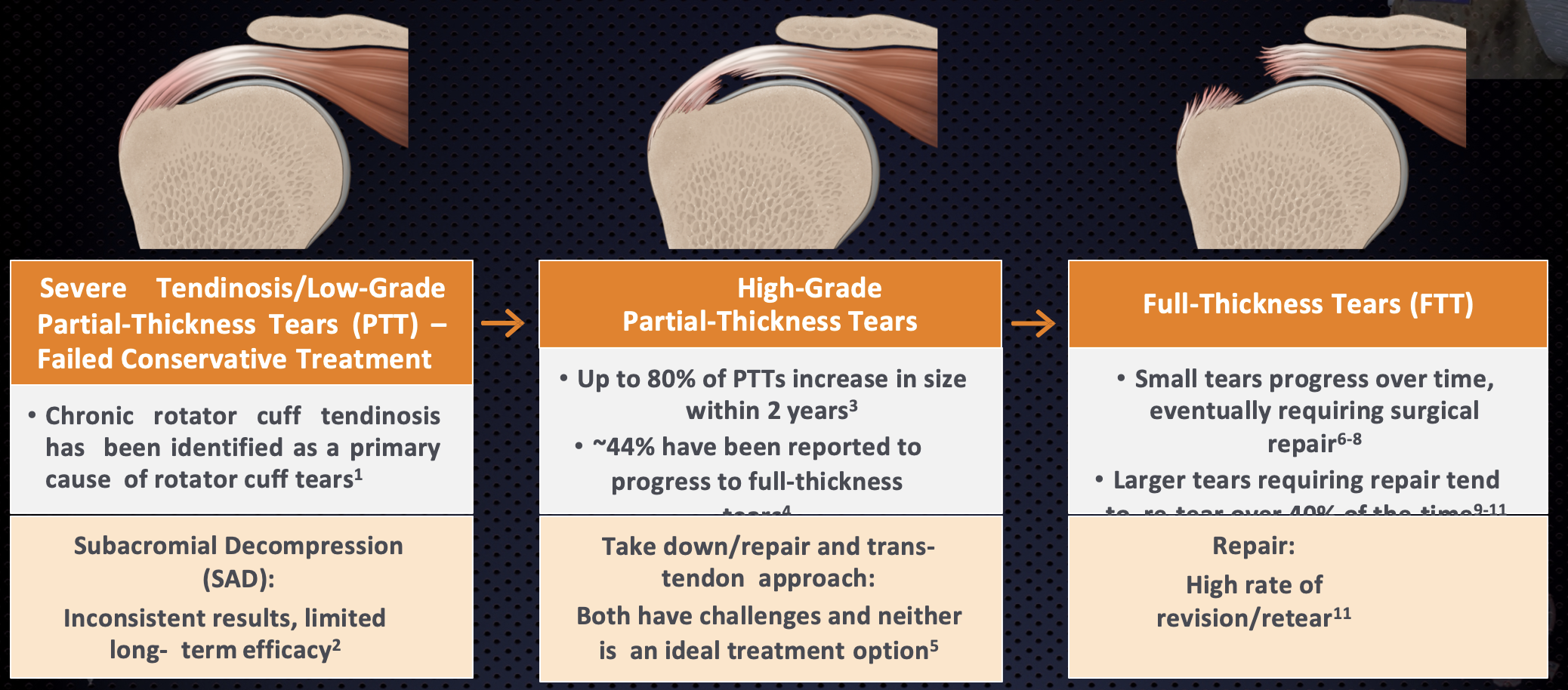
- Partial-thickness rotator cuff tears
- High-grade partial tears
- Small to medium full-thickness tears
- Poor-quality tendon tissue
- Revision rotator cuff surgery
- Athletes and active individuals seeking optimal tendon healing
Your surgeon will determine whether you are a suitable candidate.
What Does the Scientific Evidence Say About Regeneten?
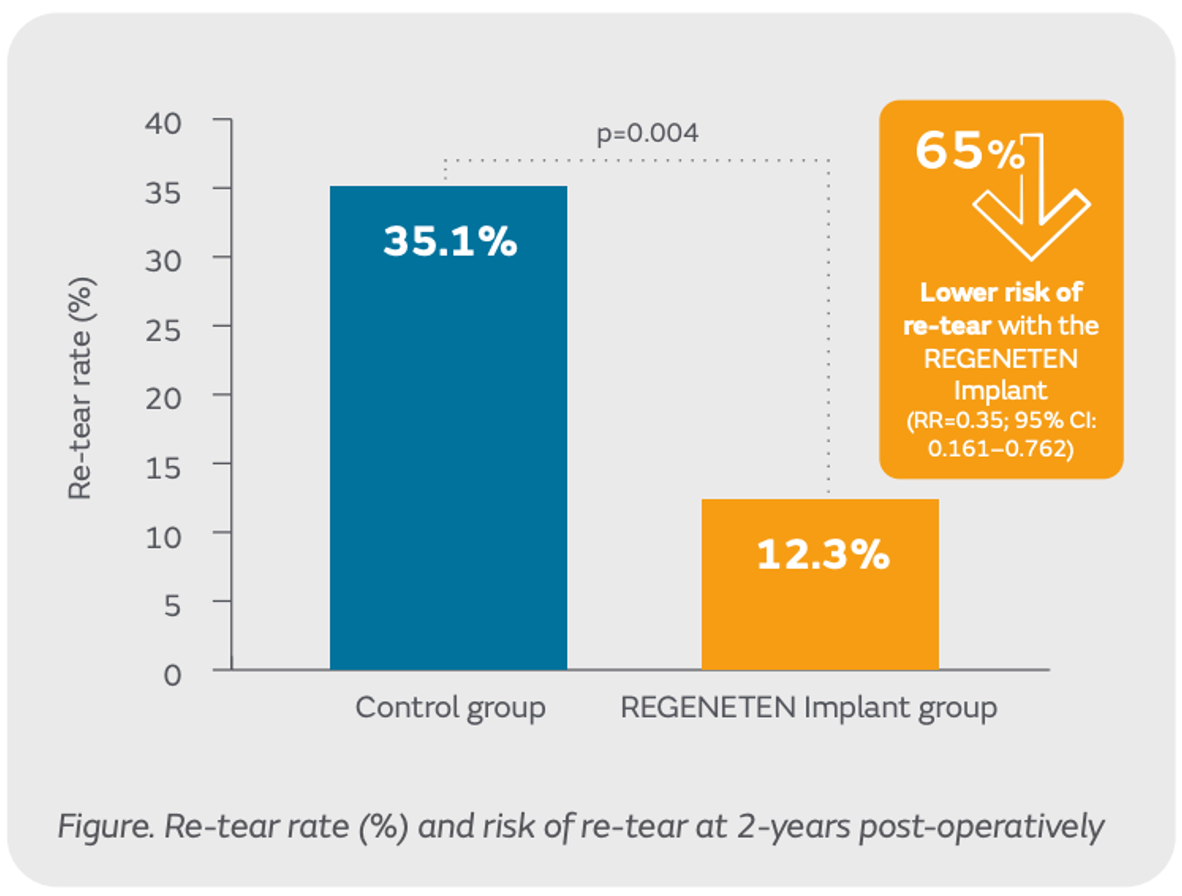
The Regeneten Bioinductive Implant has been studied in multiple clinical trials and systematic reviews. Research has consistently shown that the implant can increase tendon thickness, improve patient-reported outcomes, and support healing of both partial and full-thickness rotator cuff tears.
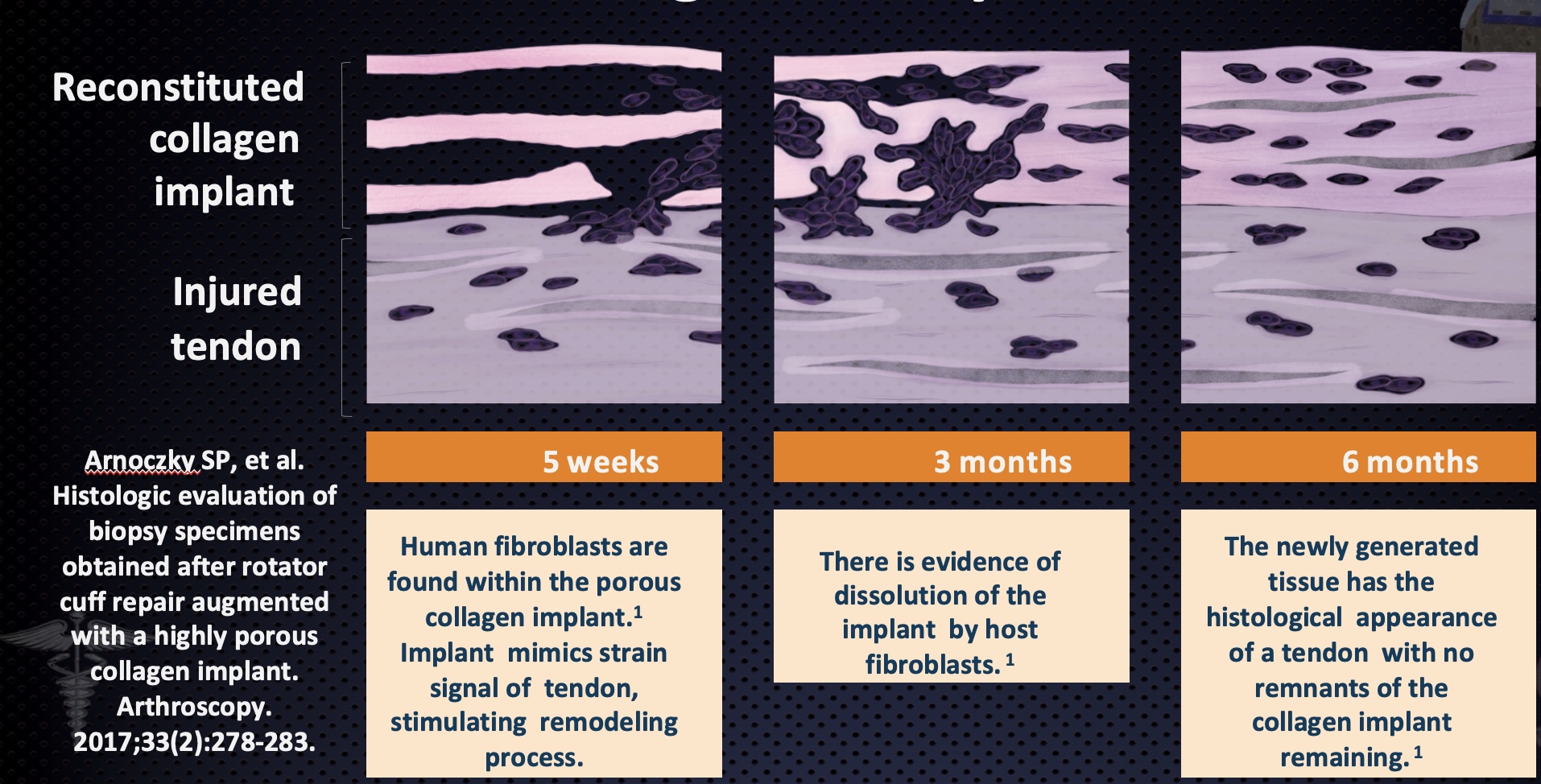
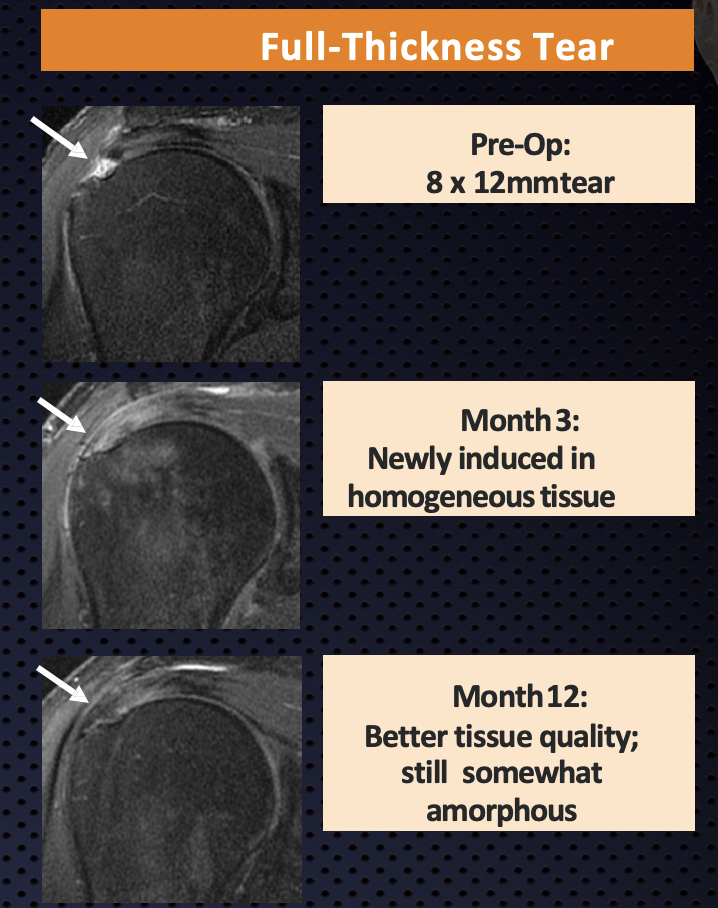
MRI studies have demonstrated the formation of new tendon-like tissue over the repaired tendon, with increased tendon thickness maintained over time. Several studies have also reported lower re-tear rates when Regeneten is used to augment rotator cuff repair, particularly in patients with larger tears or poor-quality tendon tissue.
A recent systematic review found significant improvements in pain, shoulder function, and healing rates following Regeneten implantation, with a low complication profile. While longer-term comparative studies are still ongoing, current evidence supports its role as a valuable biological augmentation tool in selected patients undergoing rotator cuff surgery.Bio-inductive Patches stimulate the body’s natural healing response to support new tendon growth and disrupt disease progression. Clinically proven to increase tendon thickness with high patient satisfaction.

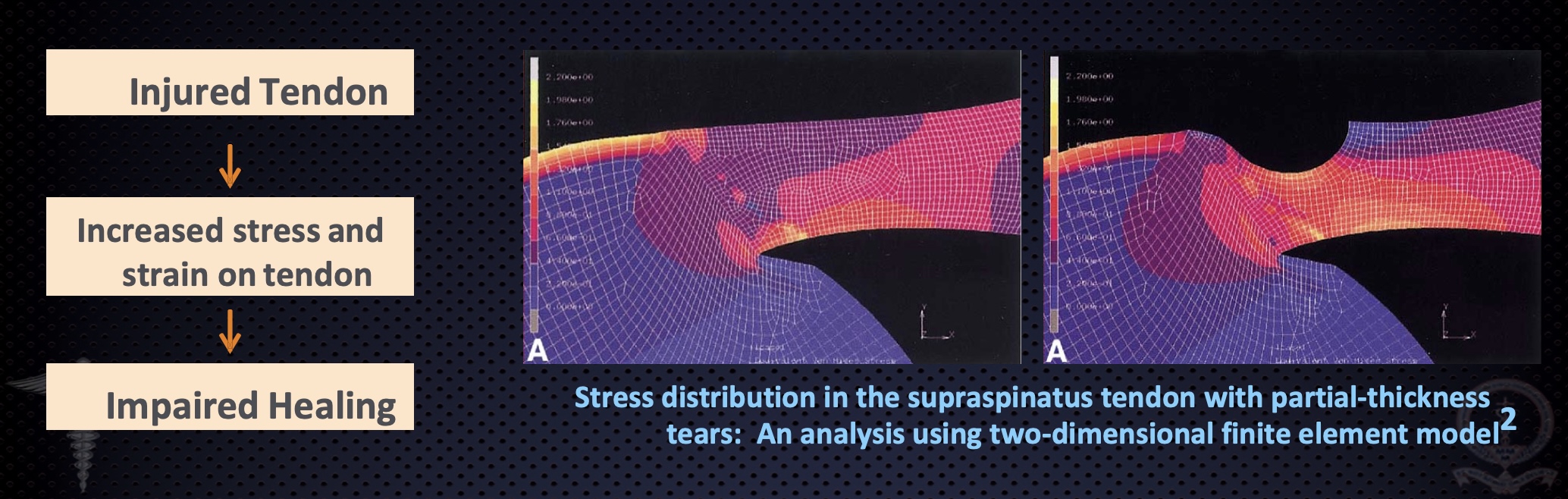
Unlike a skin cut or a simple muscle injury, a torn rotator cuff tendon has a very limited ability to heal naturally.
Several factors contribute to this:
- Poor blood supply: The rotator cuff tendons have relatively limited blood flow, especially near their attachment to the bone. Blood supply is essential for healing.
- Constant movement: The shoulder is one of the most mobile joints in the body. Every time we lift, reach, or rotate the arm, the torn tendon is subjected to forces that can prevent healing.
- Retraction of the tendon: Once torn, the tendon often pulls away from its attachment on the bone, creating a gap that the body struggles to bridge.
- Degeneration of the tissue: Many rotator cuff tears occur gradually due to wear and aging. The tendon tissue is often weakened before the tear occurs, reducing its healing potential.
- Muscle changes over time: If a tear remains untreated, the muscle attached to the tendon can shrink and develop fatty degeneration, making spontaneous healing even less likely.
How Can Regeneten Help?
The Regeneten Bioinductive Implant provides a biological scaffold that encourages the body to grow new tendon-like tissue. By creating a better healing environment, it helps overcome some of the natural limitations that prevent rotator cuff tears from healing on their own.
Think of it this way: a torn rotator cuff is like a frayed rope that has poor blood supply and is constantly being pulled apart. Regeneten acts as a framework that supports the body’s healing response and helps strengthen the damaged tendon.
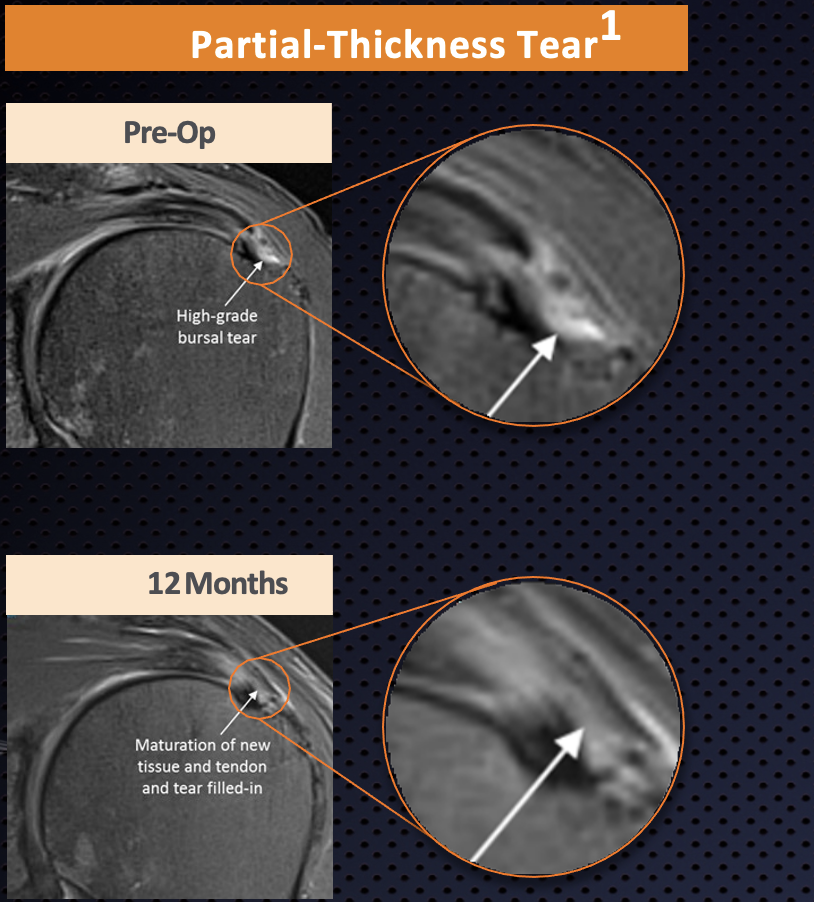
Types of Rotator Cuff Patches
When the rotator cuff tendon is weak, thin, or difficult to repair, surgeons may use a patch to support healing. These patches can be broadly classified into biological and synthetic (non-biological) patches.
1. Biological Patches
Biological patches are derived from natural tissues and are designed to integrate with the body’s healing process.
Examples:
- Regeneten™ Bioinductive Implant (bovine collagen)
- Human dermal allografts (donor skin tissue)
- Porcine (pig-derived) dermal patches
- Extracellular matrix (ECM) scaffolds
Advantages:
- Encourage natural tissue growth
- Integrate with the body’s healing response
- Gradually remodel into living tissue
- Lower risk of long-term foreign body problems
Limitations:
- More expensive
- Healing depends on the patient’s biology
- Not all patches have the same strength
2. Synthetic (Non-Biological) Patches
These are manufactured from artificial materials designed to provide mechanical strength and support.
Examples:
- Polyester patches
- Polypropylene meshes
- Poly-L-lactic acid (PLLA) scaffolds
- Other synthetic woven implants
Advantages:
- Strong mechanical reinforcement
- Consistent manufacturing quality
- Not dependent on donor tissue availability
Limitations:
- Do not stimulate biological healing as effectively
- May cause foreign body reactions in some patients
- Long-term incorporation into native tendon may be limited
Can be used at every stage of rotator cuff disease progression – with or without repair
Regeneten may improve healing biology and tendon integrity, especially in selected high-risk tears. But it is not magic, not mandatory, and not a replacement for sound repair mechanics. Current evidence is promising, but still evolving.
“Patches are not about making a weak repair strong; it is about giving a well-executed repair a better biological environment to heal”
Patient Story: Regaining Shoulder Function with Regeneten Augmentation
A 56-year-old lady presented with persistent pain and weakness of her right shoulder, significantly affecting her daily activities. She had been diagnosed with a massive retracted rotator cuff tear one year earlier. At that time, she was treated conservatively with a steroid injection by a local physician.
Although the injection provided temporary pain relief, her symptoms gradually returned. Over the following months, she found it increasingly difficult to lift her arm, comb her hair, reach overhead, and perform routine household activities. The shoulder pain also affected her sleep and quality of life.
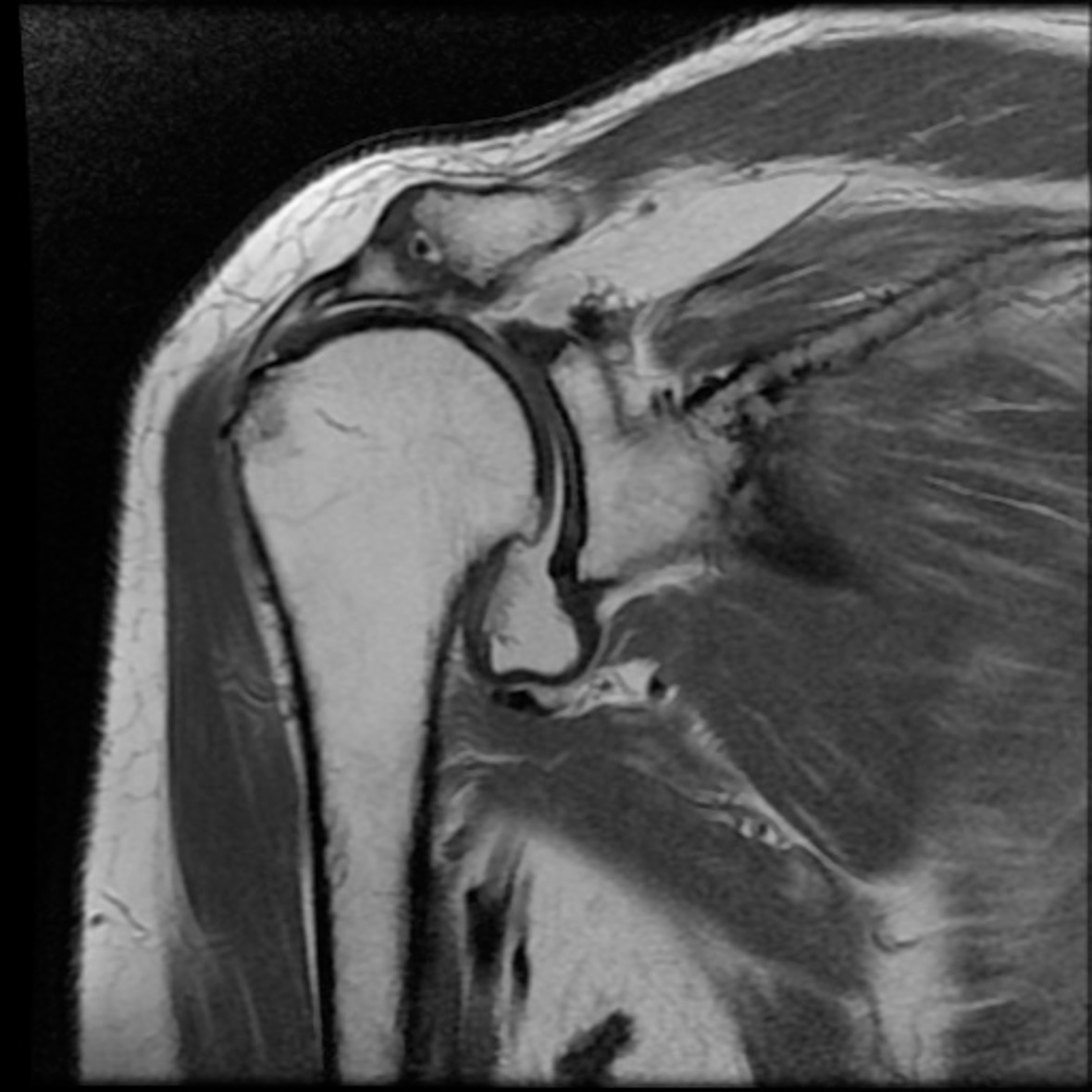
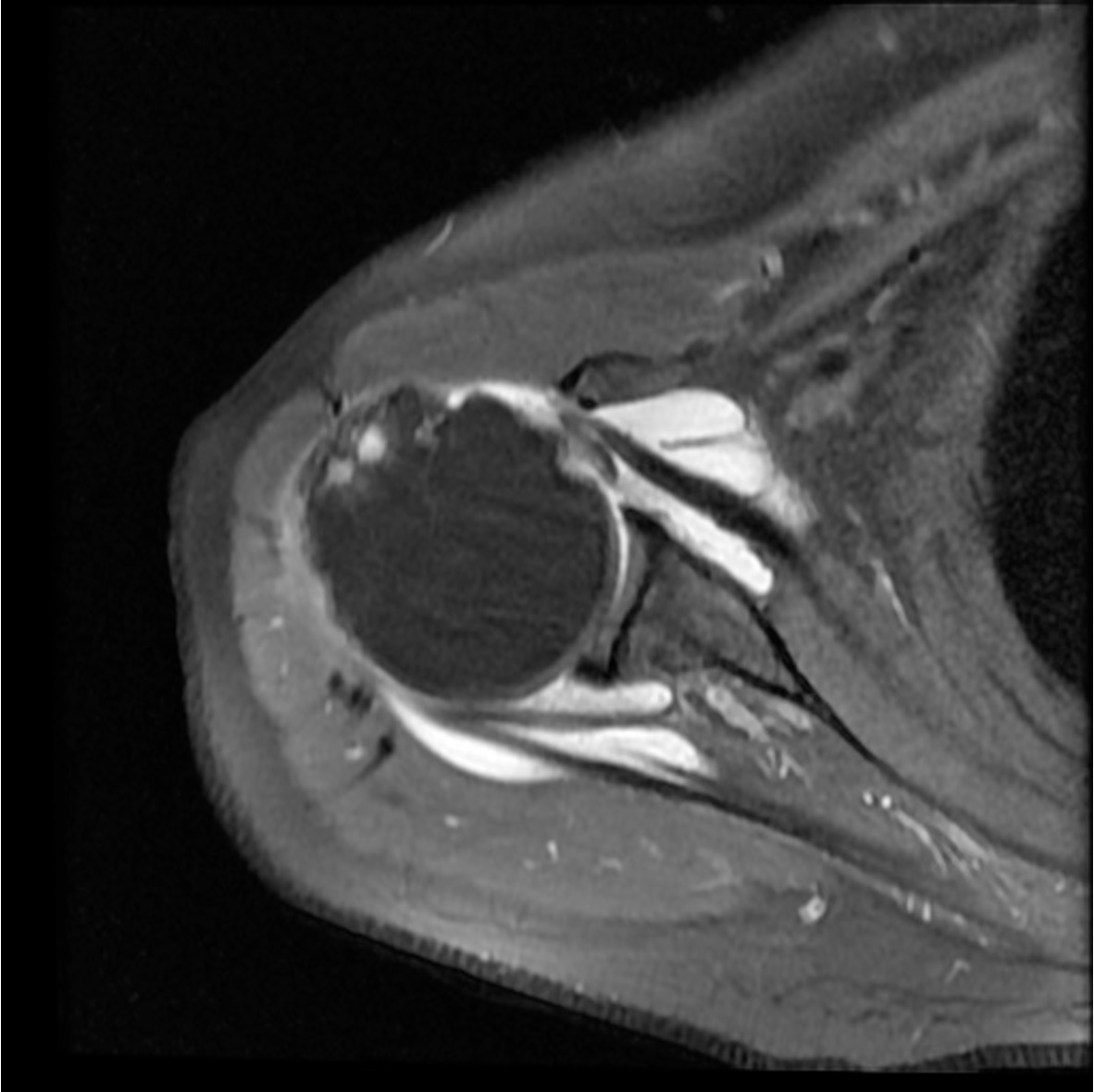
On evaluation, imaging confirmed a large retracted rotator cuff tear with compromised tendon quality. After discussing the available treatment options, she underwent arthroscopic rotator cuff repair with Regeneten™ bioinductive implant augmentation.
The surgery successfully restored the tendon attachment and the Regeneten implant was used to enhance the biological healing environment. Following a structured rehabilitation program, she experienced progressive improvement in pain, strength, and shoulder function.
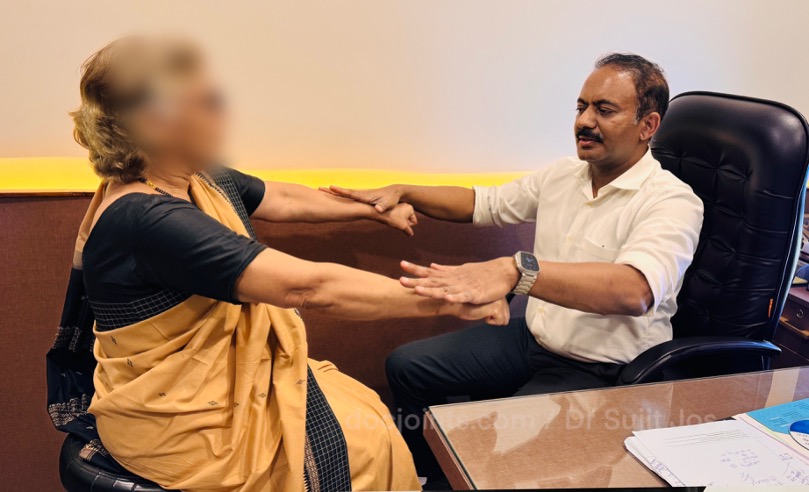
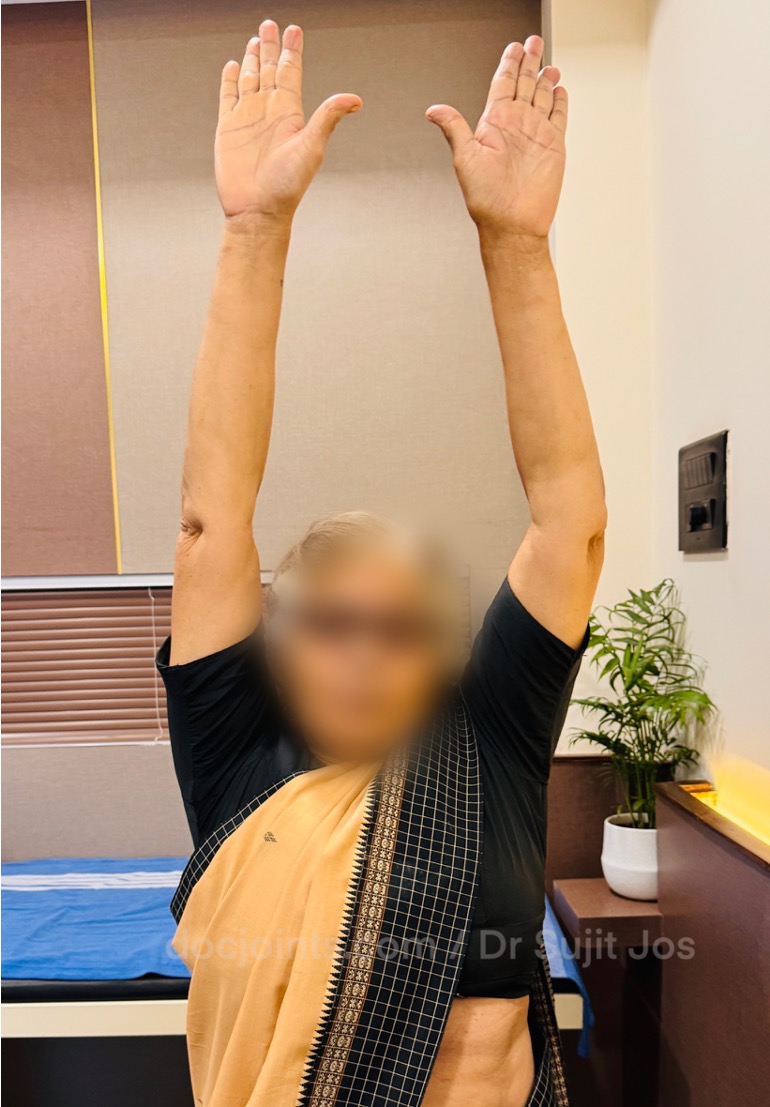
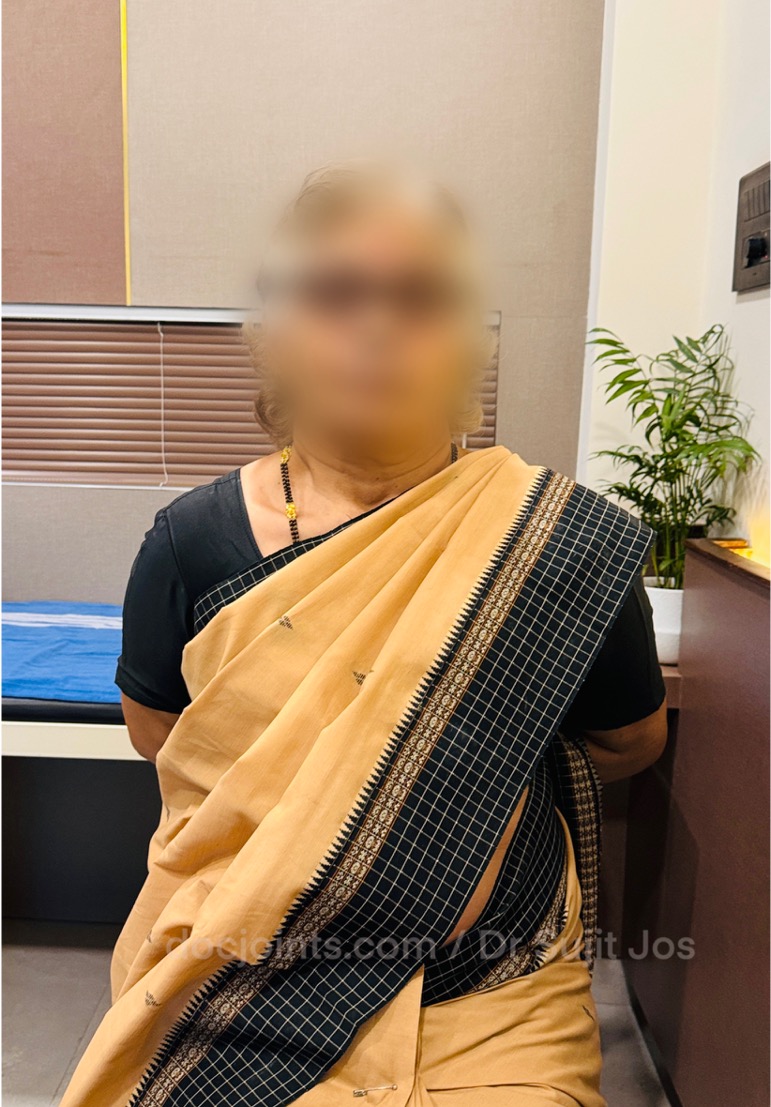
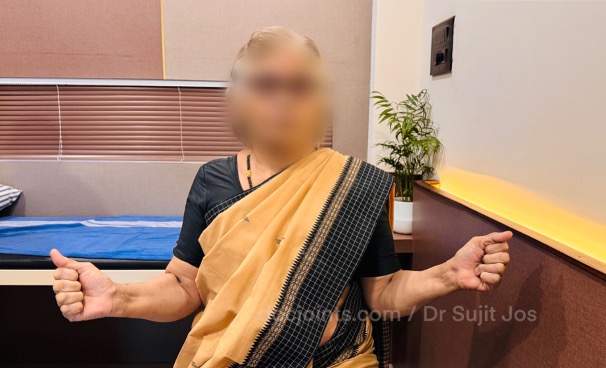
At follow-up, she had regained excellent range of motion and was able to return to her normal daily activities without significant pain. Today, she enjoys a fully functional right shoulder and has resumed an active lifestyle.
This case highlights the importance of timely treatment of rotator cuff tears and demonstrates how biological augmentation with Regeneten can support tendon healing and improve outcomes in selected patients with large or chronic tears.
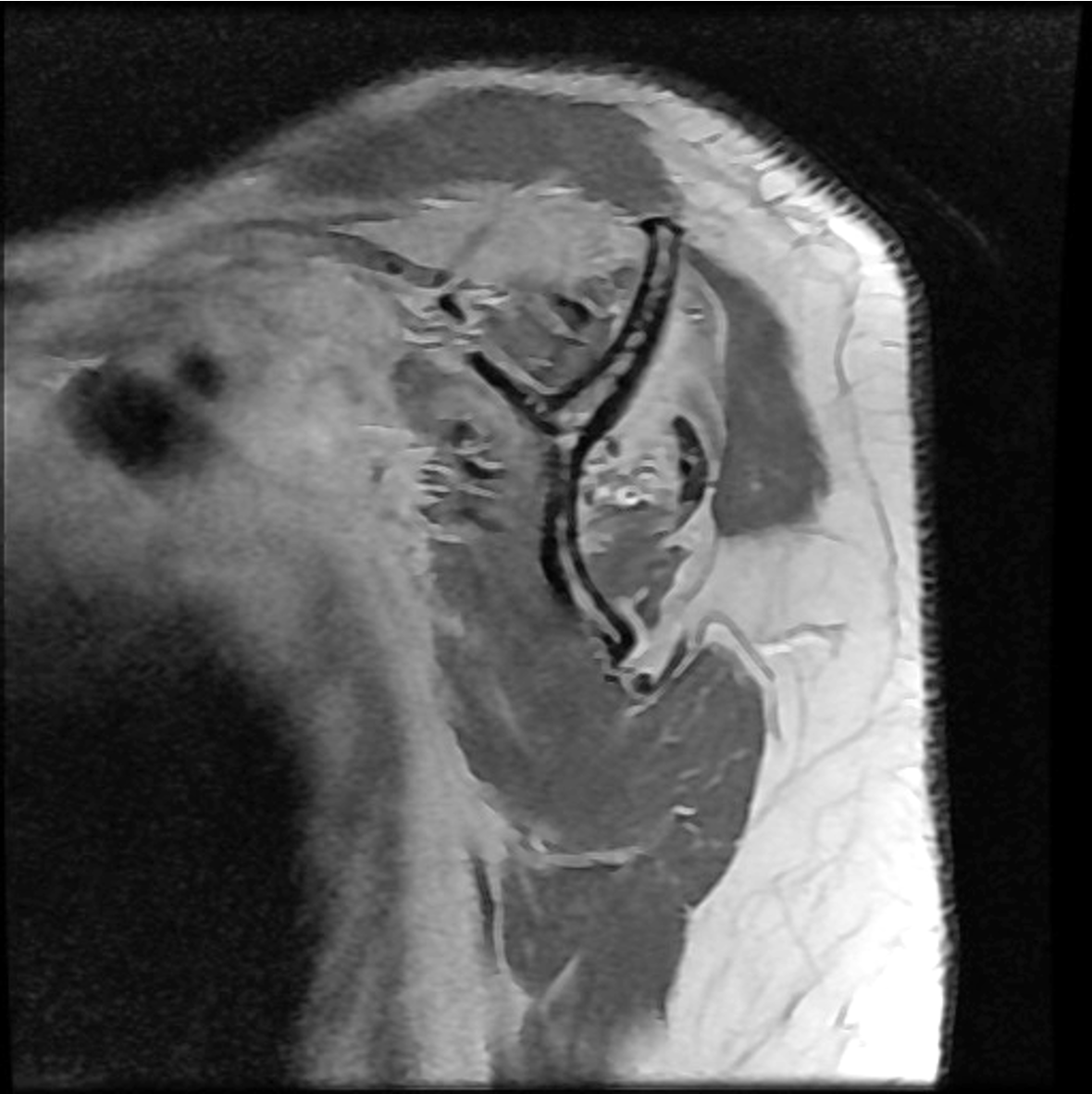
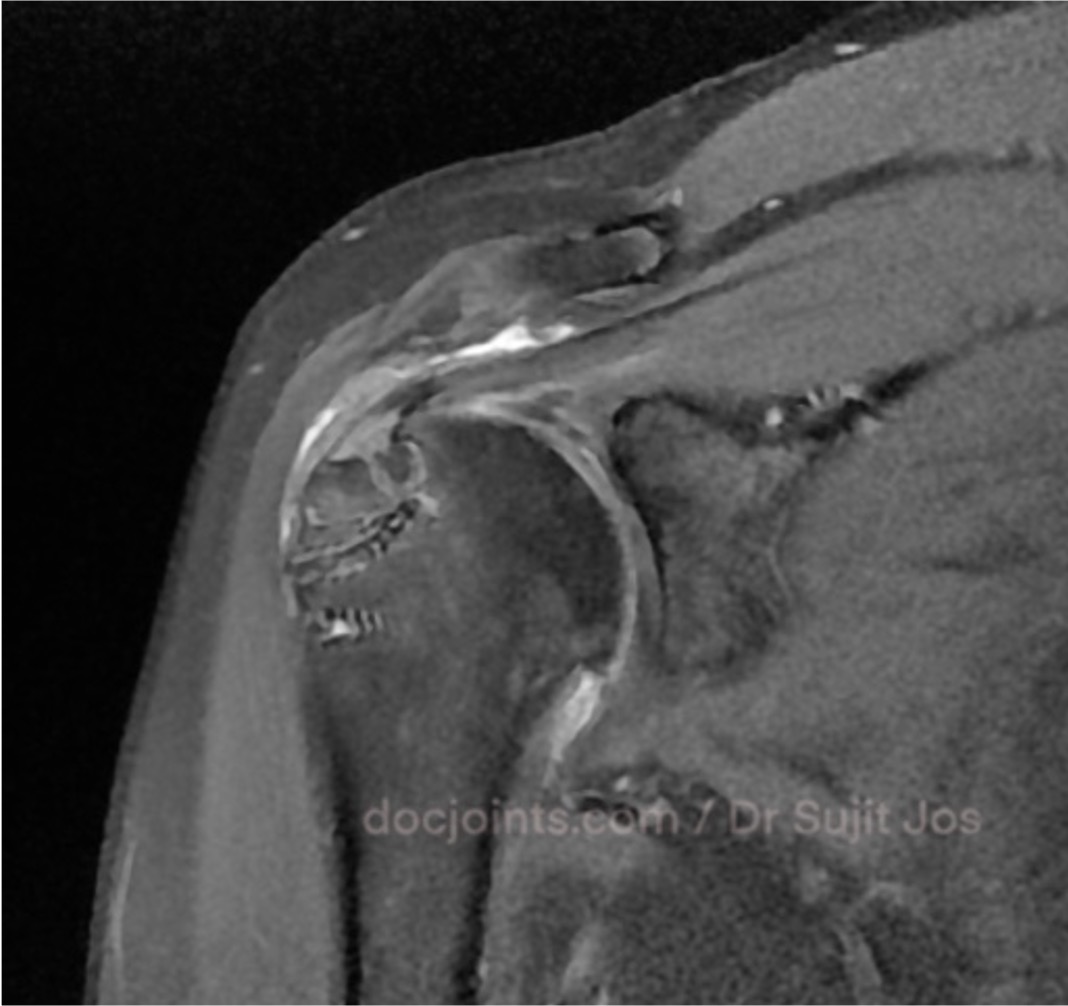
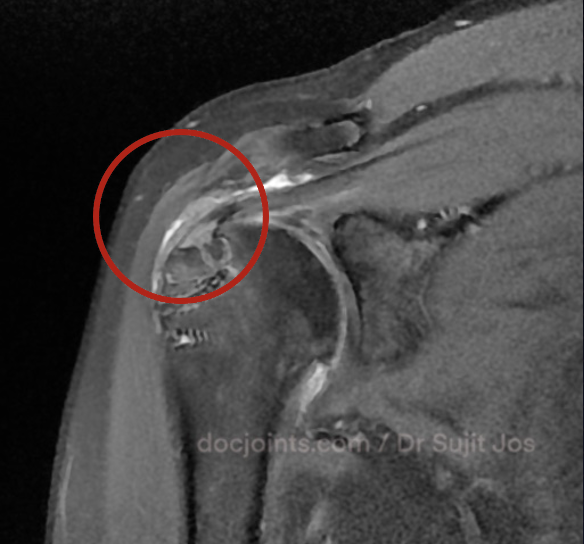
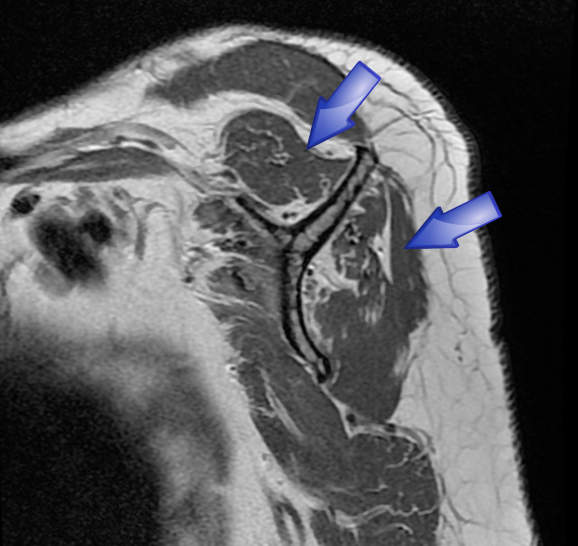
Pre-operative MRI
Function after 6 months
MRI after 6 months showing healed rotator cuff with Regeneten well incorporated to the diseased tendon
Arthroscopic Latarjet changes life of Violinist

Recent Posts

Sr. Consultant Orthopedic Surgeon, Prof & Head,
Institute of Advanced Orthopedics, MOSC Medical College Hospital, Kolenchery, Kochi, Kerala, India - 682311


