
 Call us:+91-484 2885910 (Reception Orthopedics; 9am to 5pm Mon-Sat), +91-484-2885621 (22,23,24)
Doctor's mobile - +91 9497559755 (whatsApp anytime)
Call us:+91-484 2885910 (Reception Orthopedics; 9am to 5pm Mon-Sat), +91-484-2885621 (22,23,24)
Doctor's mobile - +91 9497559755 (whatsApp anytime)
Why an Unstable Knee Should Not Be Ignored
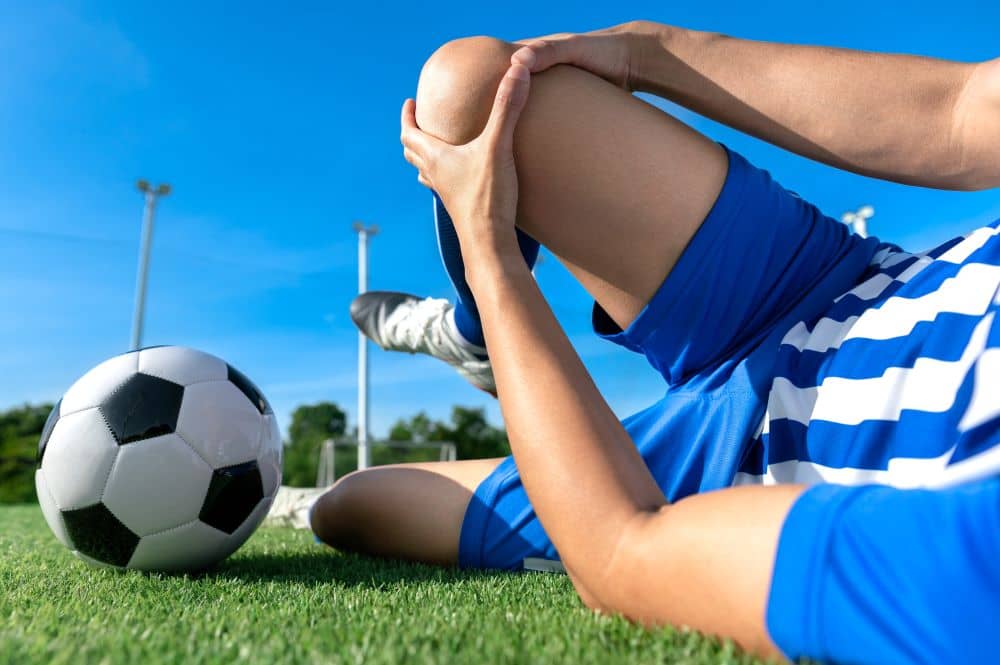
Anterior Cruciate Ligament (ACL) injuries are increasingly being recognised in children and adolescents. Greater participation in football, basketball, badminton, athletics and other competitive sports means that ACL tears are no longer injuries seen only in adults.
An ACL injury in a growing child requires special attention. The child may still have open growth plates (physes) around the knee, and treatment must therefore restore stability while protecting future bone growth.
At the same time, simply waiting for the child to finish growing can have consequences. A child who continues running and playing pivoting sports with an unstable ACL-deficient knee can experience repeated episodes of giving way, potentially causing secondary meniscus and articular cartilage damage.
What Does the ACL Do?
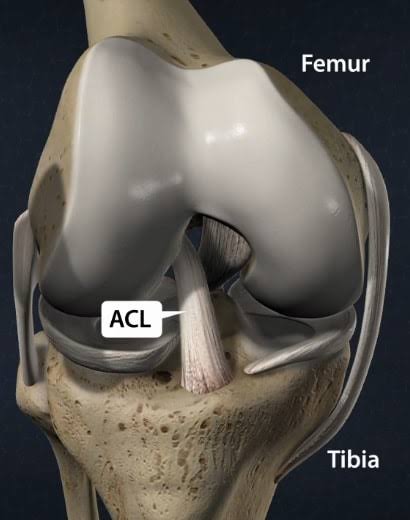
The ACL is one of the major stabilising ligaments inside the knee.
It controls:
- Forward movement of the tibia
- Rotational stability of the knee
- Stability during running and jumping
- Cutting and changing direction
- Landing after a jump
A child may be able to walk normally after an ACL tear, but the knee can remain unstable during running, twisting and sporting activities.
How Do ACL Tears Occur in Children?
Most ACL injuries occur without direct contact.
Typical mechanisms include:
- Sudden change of direction
- Twisting on a planted foot
- Awkward landing after a jump
- Sudden stopping or deceleration
- Football and basketball injuries
- Badminton and other court sports
The child may describe a “pop” inside the knee followed by pain and rapid swelling.
Symptoms of an ACL Tear
Common symptoms include:
- Sudden pain after a twisting injury
- Rapid swelling of the knee
- Difficulty continuing the game
- Feeling that the knee is unstable
- Recurrent episodes of the knee “giving way”
- Difficulty running or changing direction
- Loss of confidence during sports
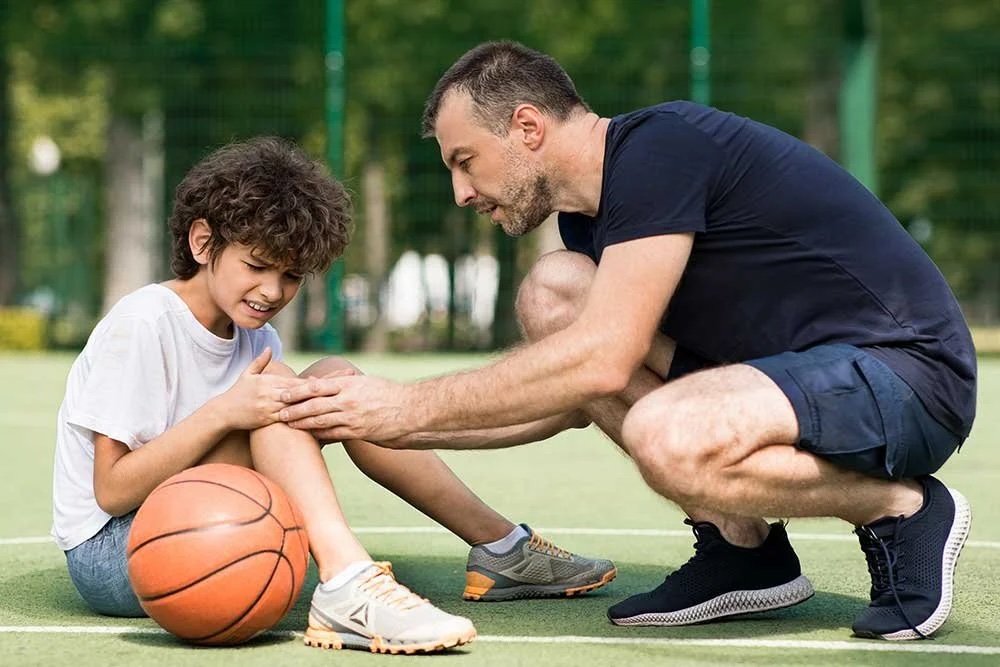
After the initial pain and swelling settle, the knee may feel almost normal during everyday walking. This can sometimes give parents a false impression that the ACL has healed.
Partial ACL Tear or Complete ACL Tear?
This distinction is important.
Partial ACL Tears
Some partial ACL injuries retain enough functional fibres to provide adequate knee stability.
Selected children with a clinically stable partial tear may therefore be managed with:
- Activity modification
- Structured physiotherapy
- Strengthening
- Neuromuscular training
- Close clinical follow-up
The decision should not be based on the MRI report alone. The child’s symptoms and a careful clinical examination of knee stability are extremely important.
Complete ACL Tears
A complete ACL tear in an active child is a different problem.
If the knee is clinically unstable and the child wishes to return to running, jumping and pivoting sports, ACL reconstruction is often recommended.
The objective is not simply to allow the child to return to sport.
An equally important objective is to protect the meniscus and articular cartilage from repeated episodes of instability.
Why Not Simply Wait Until the Child Stops Growing?
Traditionally, surgeons were reluctant to reconstruct the ACL in young children because conventional ACL tunnels could potentially damage the growth plates.
As a result, some children were advised to stop sports and wait until skeletal maturity before undergoing reconstruction.
We now understand that prolonged instability also carries risks.
An unstable knee can suffer a second injury.
Every time the ACL-deficient knee gives way during running, landing or changing direction, abnormal forces are transmitted to the menisci and cartilage.
Over months or years, repeated instability can lead to:
- Meniscus tears
- Enlargement of existing meniscal tears
- Meniscal tissue loss
- Articular cartilage damage
- Reduced ability to repair the meniscus
- Earlier degenerative changes in the knee
Therefore, in an active child with a complete ACL tear and recurrent instability, simply waiting several years for growth to finish may not always be the safest option.
The Meniscus Is Particularly Important in a Child
The meniscus acts as a shock absorber and load distributor within the knee.
Preserving it is especially important in a young patient who may need that knee to function for another 60 or 70 years.
An ACL-deficient knee places additional stress on the menisci, particularly during pivoting activities.
A meniscus that was normal at the time of the original ACL injury can subsequently tear after repeated episodes of instability.
Whenever possible, meniscal tears in children are repaired and preserved rather than removed.
Can Physiotherapy Heal a Completely Torn ACL?
Physiotherapy is extremely important, but it cannot reliably reconnect a completely disrupted ACL in its normal anatomical position.
Rehabilitation can:
- Restore movement
- Improve muscle strength
- Reduce swelling
- Improve balance and proprioception
- Improve neuromuscular control
Some low-demand individuals can function despite an ACL-deficient knee.
However, an active child who repeatedly experiences instability during running or pivoting remains at risk of further intra-articular injury.
Why Is ACL Reconstruction Different in Children?
The ends of a child’s bones contain growth plates, also called physes.
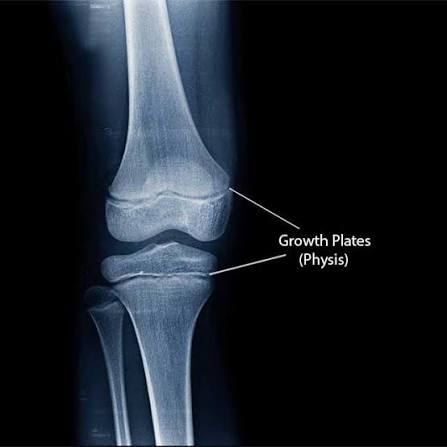
These are areas from which the femur and tibia continue to grow.
Traditional adult ACL reconstruction involves drilling tunnels through the femur and tibia. In a growing child, the surgeon must carefully consider:
- How much growth remains
- Location of the growth plates
- Tunnel size
- Tunnel direction
- Type of graft
- Type and location of fixation
The objective is to reconstruct the ACL anatomically while minimising disturbance to the growth plates.
All-Inside ACL Reconstruction in Children
One technique that can be particularly useful in selected skeletally immature patients is all-inside ACL reconstruction.
Unlike conventional ACL reconstruction, where complete tunnels may be drilled through the tibia and femur, the all-inside technique can use short bone sockets created from inside the knee.
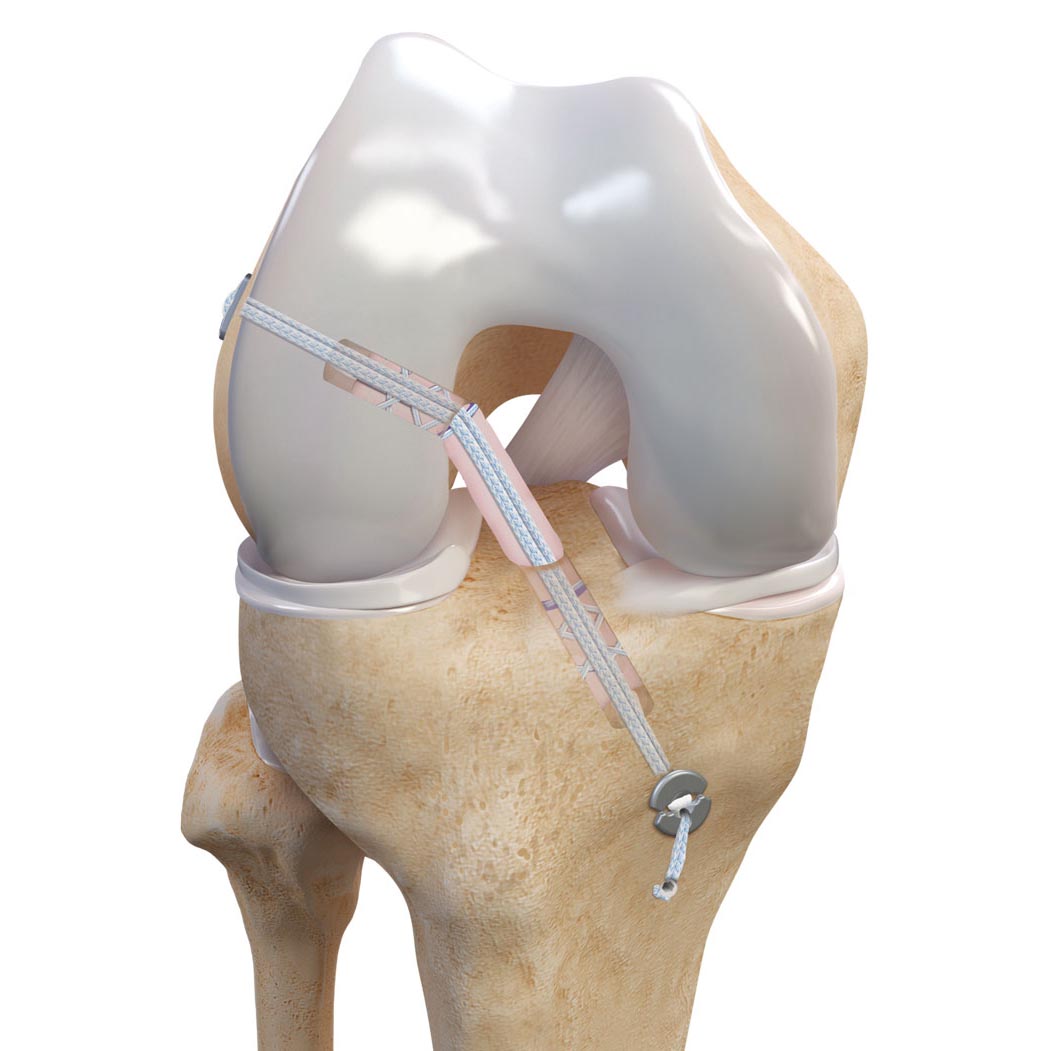
This allows the surgeon greater control over the amount of bone drilling required.
How Is All-Inside ACL Reconstruction Performed?
The procedure is performed arthroscopically through small keyhole incisions.
1. The Knee Is Examined
The surgeon first assesses:
- The ACL tear
- Medial and lateral menisci
- Articular cartilage
- Other ligaments
Associated meniscal tears are repaired whenever possible.
2. The Graft Is Prepared
An appropriate soft-tissue autograft is prepared to replace the torn ACL.
The graft choice depends on the child’s age, size, skeletal maturity and sporting requirements.
3. Short Bone Sockets Are Created
Instead of necessarily drilling full-length tunnels through the bones, short sockets can be created from within the joint at the anatomical ACL attachment sites.
In children with open growth plates, tunnel and socket position, diameter and trajectory are planned carefully to minimise physeal injury.
4. The New ACL Is Introduced
The graft is passed into the femoral and tibial sockets and positioned at the anatomical location of the original ACL.
5. Suspensory Fixation
The graft can be secured using cortical buttons on the outer surface of the bone.
This provides strong fixation while allowing the fixation devices themselves to remain away from the growth plate when appropriately planned.
Why Can the All-Inside Technique Be Attractive in Children?
Potential advantages include:
- Small arthroscopic incisions
- Shorter bone sockets
- Preservation of more bone
- Precise control of socket depth
- Strong suspensory fixation
- Ability to tailor tunnel placement to the child’s growth plates
- Useful option for selected skeletally immature patients
However, “all-inside” does not automatically mean “growth-plate safe.”
The exact technique must be adapted according to the child’s skeletal maturity. Depending on age and remaining growth, the surgeon may use physeal-respecting, transphyseal, partial-transphyseal or other paediatric ACL techniques.
What Graft Is Used in a Child?
For most young athletic patients, a biological autograft from the child’s own body is preferred.
Soft-tissue grafts are particularly useful when growth plates remain open because bone blocks and fixation across an active physis are generally avoided.
Possible graft choices include:
- Hamstring tendon
- Quadriceps tendon
- Other autograft options in selected circumstances
Graft selection is individualized according to the child’s size, sport, skeletal maturity and anatomy.
[Learn more about ACL Graft Options →]
What About Growth Disturbance?
Growth disturbance following modern paediatric ACL reconstruction is uncommon when the procedure is appropriately planned, but the risk is not zero.
Possible problems include:
- Angular deformity
- Difference in leg length
- Disturbance of normal bone growth
This is why paediatric ACL reconstruction requires assessment of skeletal age and remaining growth, not merely chronological age.
In children with substantial growth remaining, specialised techniques may be chosen to minimise or avoid physeal injury.
Rehabilitation After Paediatric ACL Reconstruction
Surgery is only the beginning of recovery.
A structured rehabilitation programme is essential.
Early rehabilitation concentrates on:
- Reducing swelling
- Regaining full knee extension
- Restoring flexion
- Normal walking
- Re-establishing quadriceps control
This is followed by:
- Progressive strengthening
- Balance and proprioception
- Neuromuscular training
- Running progression
- Jumping and landing techniques
- Sport-specific rehabilitation
When Can the Child Return to Sport?
Returning to sport too early is particularly concerning in young athletes because their risk of another ACL injury—either to the reconstructed knee or the opposite knee—is significant.
Return to sport should therefore not be based on time alone.
Before returning to pivoting sport, the child should demonstrate:
- Full painless movement
- No significant swelling
- Good quadriceps and hamstring strength
- Good single-leg control
- Satisfactory hop testing
- Good landing mechanics
- Neuromuscular control
- Psychological confidence
For young athletes, return to competitive pivoting sport is generally approached cautiously and commonly takes around 9–12 months or longer, depending on recovery and objective testing.
Frequently Asked Questions
My child can walk normally. Does that mean the ACL has healed?
No. Walking places relatively little rotational demand on the ACL.
A child with a completely torn ACL may walk and even jog comfortably but experience instability when suddenly changing direction, landing or playing sport.
Does every ACL tear in a child require surgery?
No.
A stable partial tear may sometimes be managed successfully with rehabilitation and activity modification.
Surgery is more strongly considered for a complete tear with clinical instability, recurrent giving way, associated repairable meniscal injury, or a child who wishes to return to pivoting sports.
Why can’t we wait until the child is 18?
In selected children, non-operative treatment may be reasonable.
However, if the knee repeatedly gives way during the remaining years of growth, secondary meniscal and cartilage injuries can occur.
Modern paediatric ACL techniques allow reconstruction to be considered before skeletal maturity when the benefits outweigh the risks.
Can my child continue playing sport with a torn ACL?
A child with an unstable complete ACL tear should generally avoid uncontrolled pivoting and cutting sports until an appropriate treatment plan has been established.
Repeated giving-way episodes can damage the meniscus and cartilage.
Will ACL surgery damage the growth plate?
Modern paediatric ACL reconstruction is specifically planned around the growth plates.
The surgeon considers remaining growth, tunnel position and diameter, graft type and fixation. Although growth disturbance is possible, it is uncommon with appropriately selected and carefully performed techniques.
What is an all-inside ACL reconstruction?
It is an arthroscopic technique in which sockets for the ACL graft can be created from inside the knee rather than drilling conventional complete bone tunnels.
This allows precise control of bone removal and can be adapted for selected growing children.
Is all-inside reconstruction completely growth-plate sparing?
Not necessarily.
An all-inside socket may still approach or cross a growth plate depending on its position and depth. The surgical plan must therefore be individualized according to the child’s remaining growth.
Should a torn meniscus be removed during ACL surgery?
Whenever possible in children, the meniscus should be preserved and repaired.
Removing meniscal tissue increases contact pressure within the knee and may increase the risk of later cartilage degeneration.
Can my child play competitive sport again?
Yes. Many children successfully return to competitive sport after ACL reconstruction and appropriate rehabilitation.
The return should be gradual and based on objective recovery of strength, balance, movement control and confidence rather than simply reaching a particular postoperative month.
Protecting the Young Knee for the Future
The objective of treating a childhood ACL injury is not simply to get the child back onto the playing field.
A child may have many decades of activity ahead.
An unstable ACL-deficient knee can repeatedly give way, placing the menisci and articular cartilage at risk. Once significant meniscal tissue or cartilage is lost, it cannot always be fully restored.
At DocJoints, paediatric ACL injuries are therefore evaluated according to the child’s skeletal maturity, degree of instability, associated meniscus and cartilage injuries, sporting demands and remaining growth.
When reconstruction is required, modern paediatric and all-inside ACL techniques allow the surgery to be tailored to the growing knee, with the aim of restoring stability while protecting both the growth plates and the long-term health of the joint.
Arthroscopic Latarjet changes life of Violinist

Recent Posts

Sr. Consultant Orthopedic Surgeon, Prof & Head,
Institute of Advanced Orthopedics, MOSC Medical College Hospital, Kolenchery, Kochi, Kerala, India - 682311


