
 Call us:+91-484 2885910 (Reception Orthopedics; 9am to 5pm Mon-Sat), +91-484-2885621 (22,23,24)
Doctor's mobile - +91 9497559755 (whatsApp anytime)
Call us:+91-484 2885910 (Reception Orthopedics; 9am to 5pm Mon-Sat), +91-484-2885621 (22,23,24)
Doctor's mobile - +91 9497559755 (whatsApp anytime)
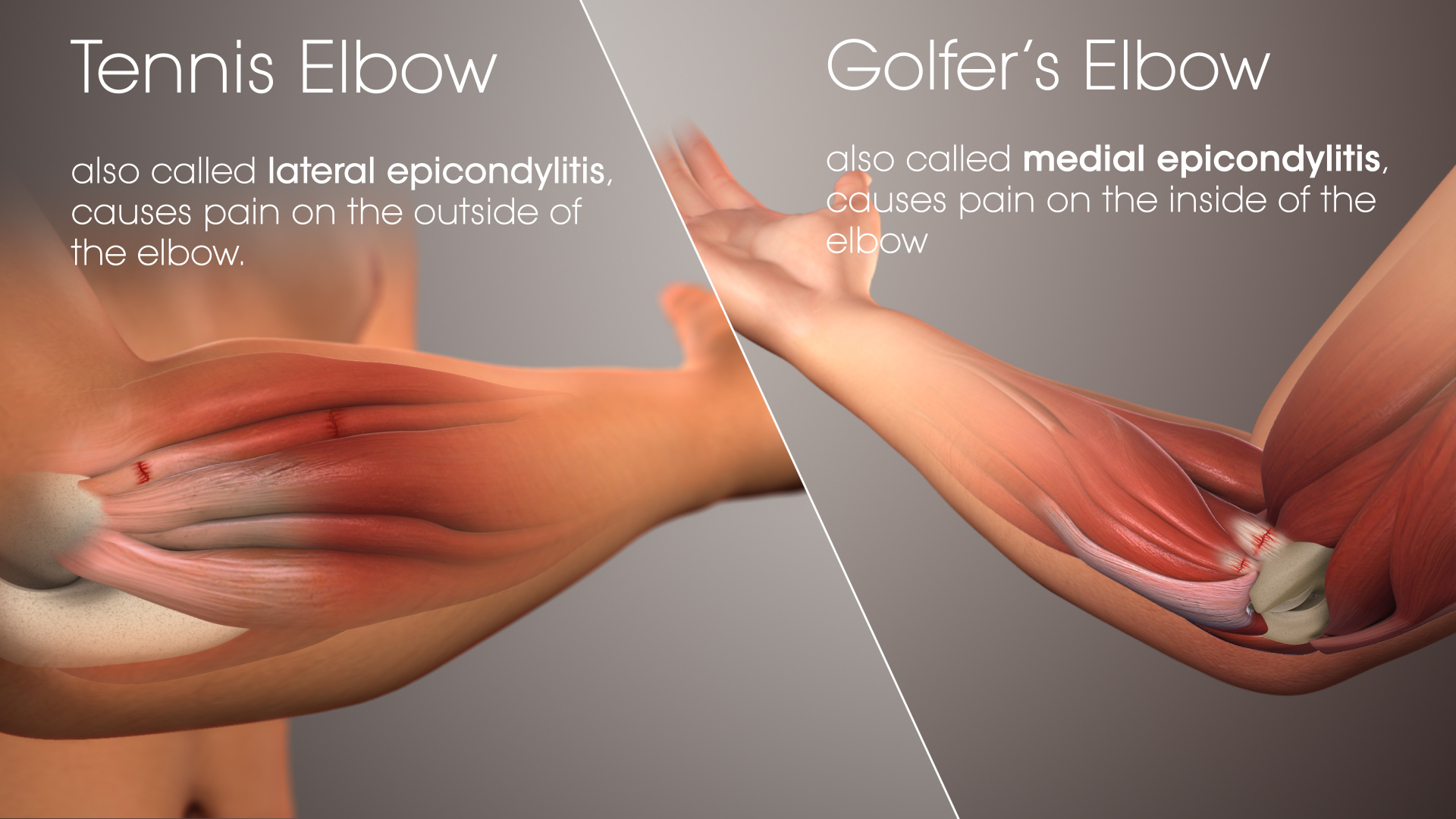
(Lateral Epicondylitis)
Understanding the Causes, Treatment, and Recovery
What is Tennis Elbow?
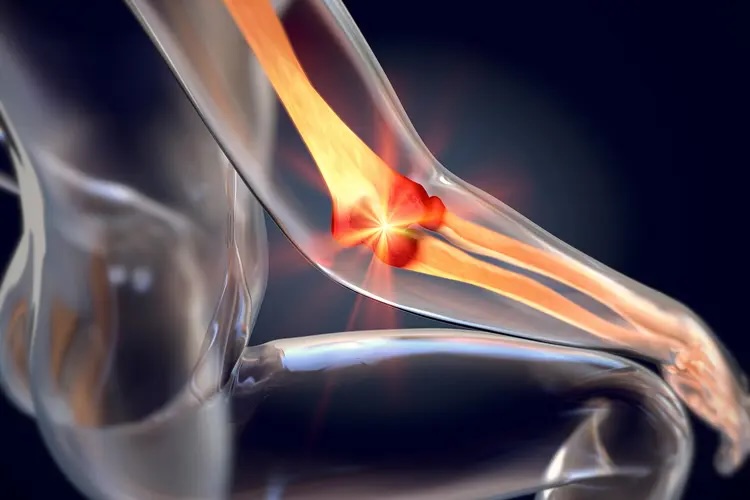
Tennis elbow, medically called Lateral Epicondylitis or Lateral Elbow Tendinopathy, is one of the most common causes of pain on the outer side of the elbow.
Despite its name, most patients with tennis elbow do not play tennis. It commonly affects individuals between the ages of 35 and 60 years and can interfere with work, sports, and daily activities.
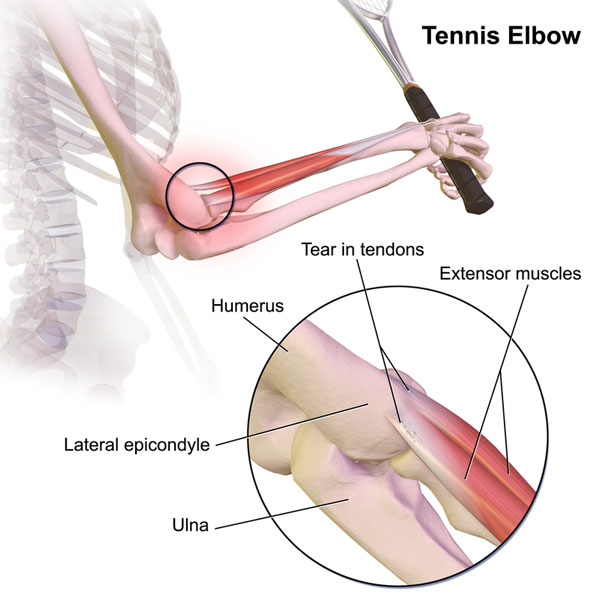
The condition occurs due to damage to the tendon of the Extensor Carpi Radialis Brevis (ECRB) muscle, which attaches to the lateral epicondyle of the humerus.
Why is it Called Tennis Elbow?
Tennis players can develop this condition due to repetitive backhand strokes. However, it is equally common in:
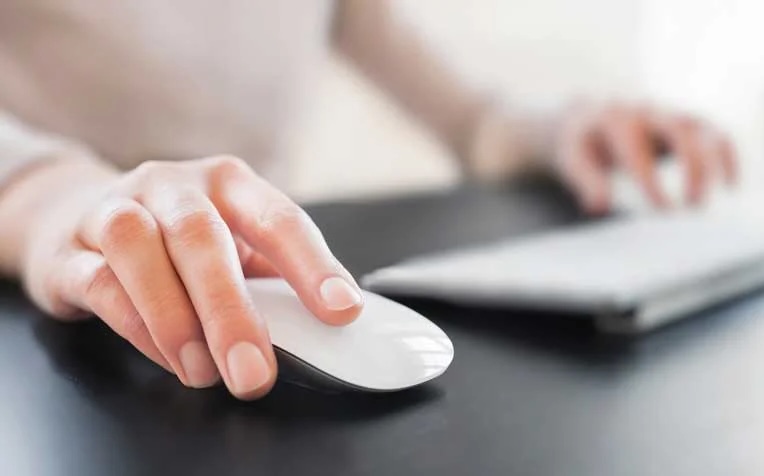
- Office workers
- Computer users
- Surgeons and dentists
- Manual labourers
- Carpenters and plumbers
- Gardeners
- Homemakers
- Weight lifters
- Racquet sports enthusiasts
What Causes Tennis Elbow?
The condition usually develops because of repetitive overuse of the forearm muscles.
Common reasons include:
Repetitive Activities
- Typing and mouse use
- Lifting heavy objects
- Repetitive gripping
- Using screwdrivers or tools
- Racquet sports
- Gardening
- Painting
Sudden Increase in Activity
- New exercise routines
- Unaccustomed manual work
- Intensive sports training
Poor Technique
- Incorrect sports techniques
- Improper workstation ergonomics
- Weak shoulder and forearm muscles
What Happens Inside the Tendon? (Pathophysiology)
Contrary to popular belief, tennis elbow is not primarily an inflammatory condition.
It is better described as a degenerative tendinopathy.
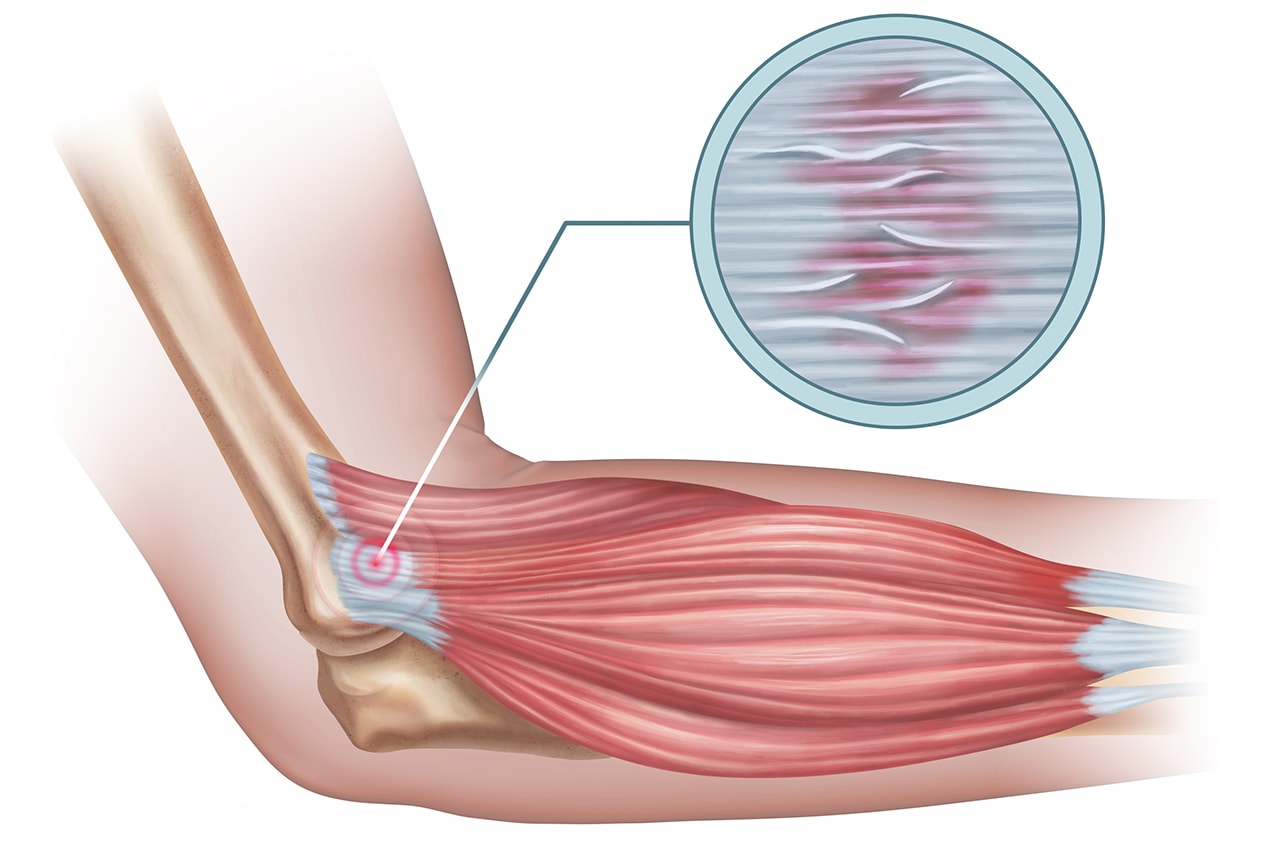
The tendon undergoes:
Microscopic Tears
Repeated stress causes tiny injuries within the tendon.
Poor Healing Response
The tendon has limited blood supply and struggles to repair itself.
Degeneration
The collagen fibres become disorganised and weakened.
Angiofibroblastic Hyperplasia
Abnormal blood vessels and nerve endings develop inside the tendon, contributing to chronic pain.
Why Does the Pain Persist?
The damaged tendon becomes mechanically weak and biologically abnormal, leading to persistent pain during gripping and lifting activities.
Symptoms of Tennis Elbow
Patients commonly complain of:
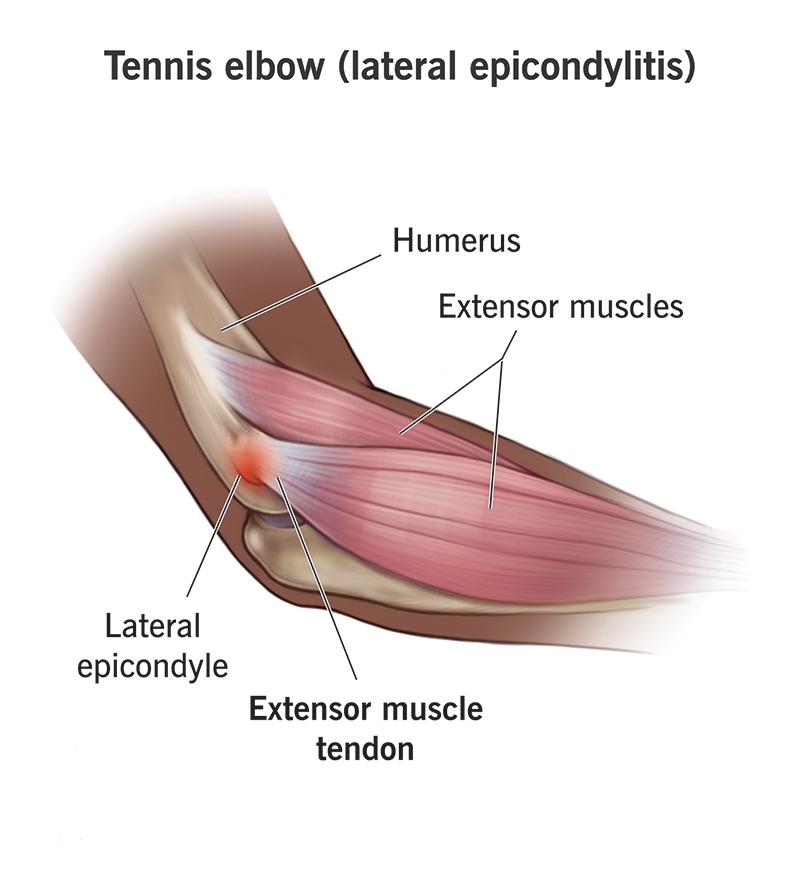
✔ Pain over the outer side of the elbow
✔ Pain while gripping objects
✔ Difficulty lifting a kettle or pan
✔ Pain while shaking hands
✔ Difficulty opening jars
✔ Weak grip strength
✔ Pain while using a computer mouse
✔ Pain during sports activities
How is Tennis Elbow Diagnosed?
The diagnosis is usually made through:
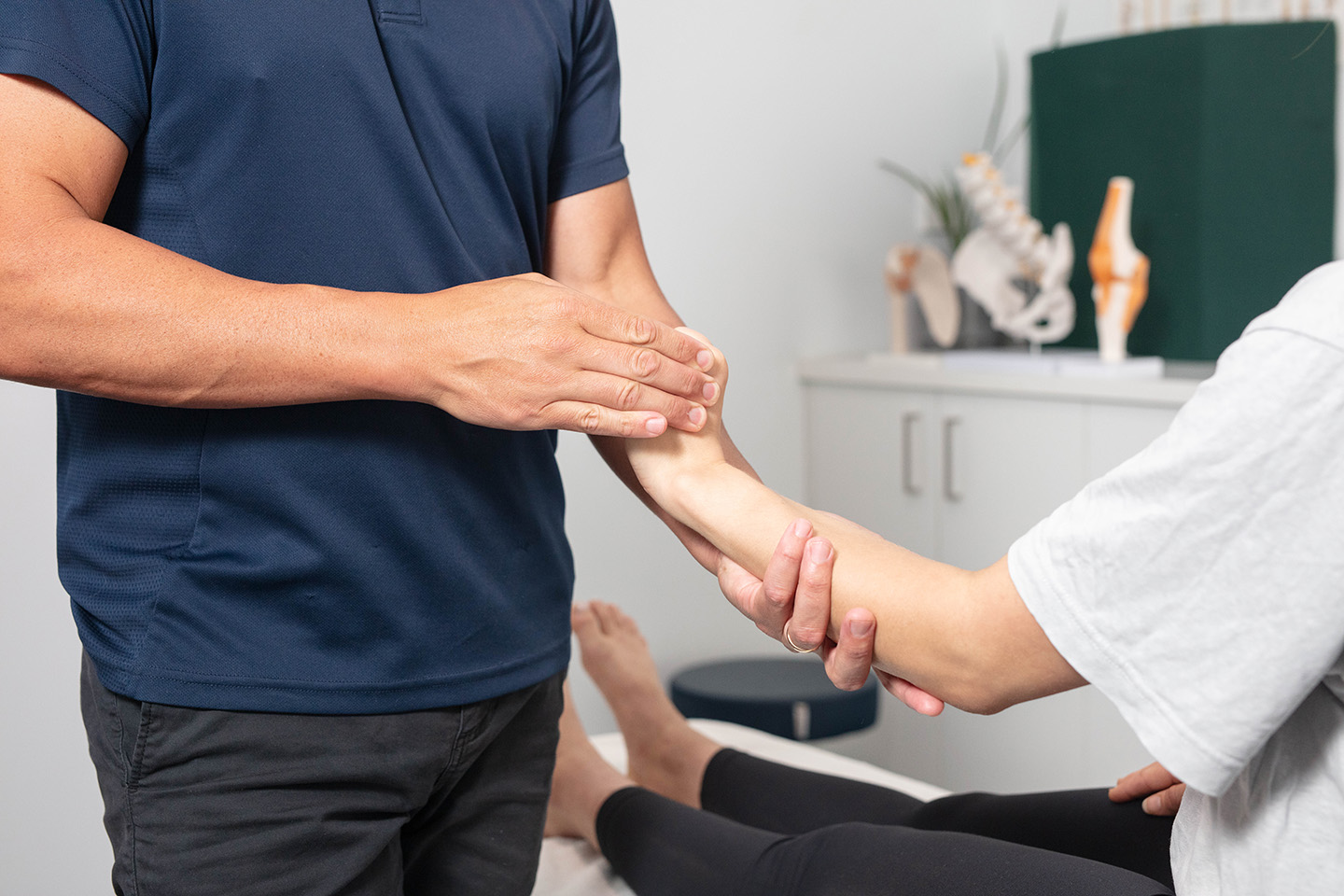
Clinical Examination
Tenderness over the lateral epicondyle.
Pain on:
- Resisted wrist extension
- Resisted middle finger extension
- Gripping activities
Imaging
X-rays
Usually normal but help exclude arthritis.
Ultrasound
May show tendon thickening and tears.
MRI
Useful in chronic cases and can demonstrate:
- Partial tendon tears
- Tendon degeneration
- Associated ligament injuries
Treatment of Tennis Elbow
Fortunately, most patients improve without surgery.
Treatment progresses from simple measures to advanced interventions.
Phase 1: Activity Modification
- Avoid repetitive gripping
- Reduce heavy lifting
- Modify sporting activities
- Correct workplace ergonomics
Phase 2: Medications
- Anti-inflammatory medications
- Ice application
- Pain-relieving gels
These mainly control symptoms and do not heal the tendon.
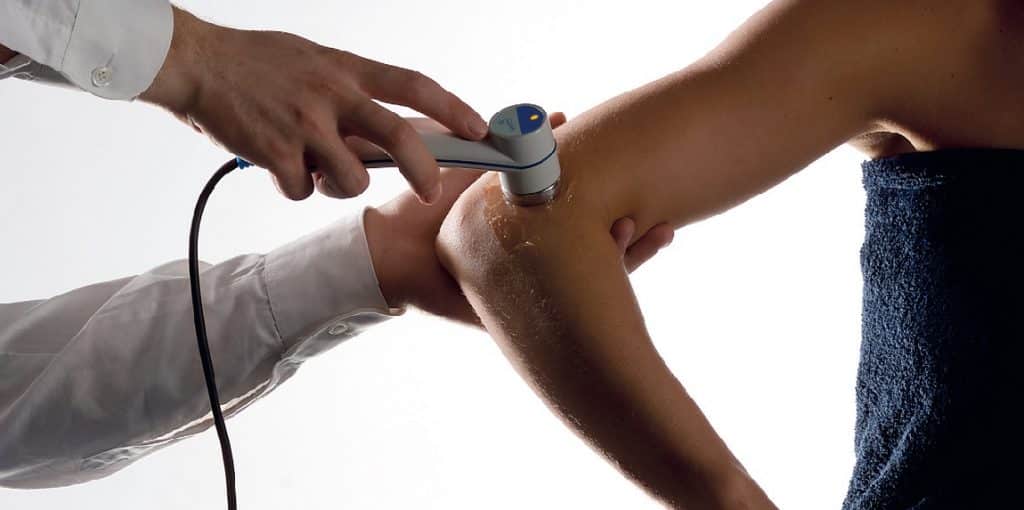
Phase 3: Physical Therapy
Physical therapy forms the cornerstone of treatment.
Goals of Physiotherapy
Reduce Pain
Ice, modalities, and activity modification.
Stretch Tight Muscles
Gentle forearm stretching exercises.
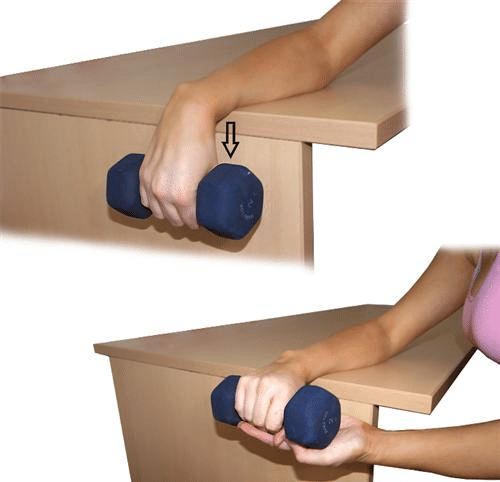
Eccentric Strengthening Exercises
These exercises have shown good evidence in improving tendon health.
Improve Shoulder and Scapular Function
Weak shoulder muscles can overload the elbow.
Improve Grip Strength
Correct Biomechanics
Many patients improve significantly with a structured physiotherapy programme over 8-12 weeks.
Bracing
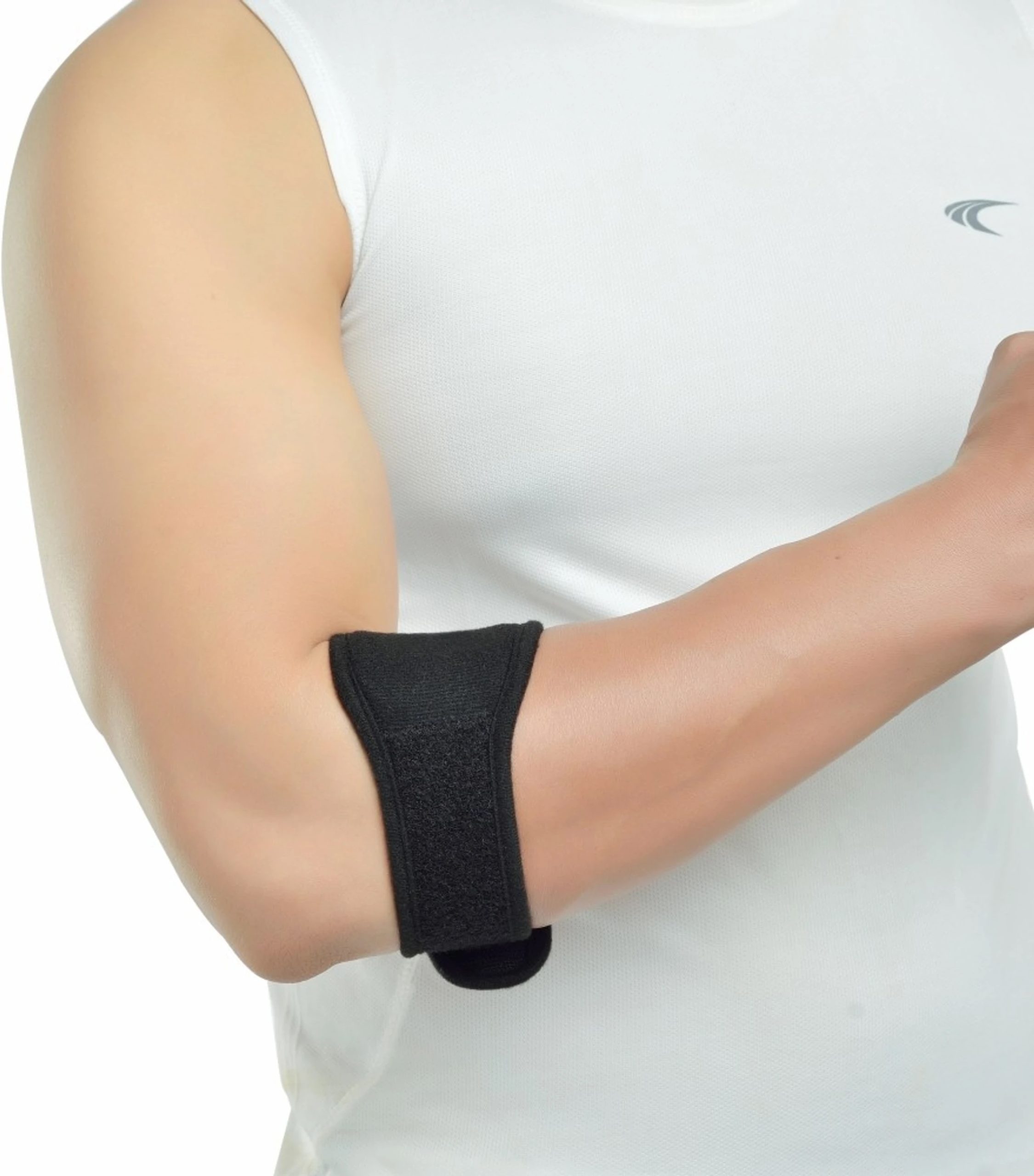
A counterforce elbow strap may:
✔ Reduce stress on the tendon
✔ Improve comfort during activities
✔ Allow continuation of rehabilitation exercises
Steroid Injection
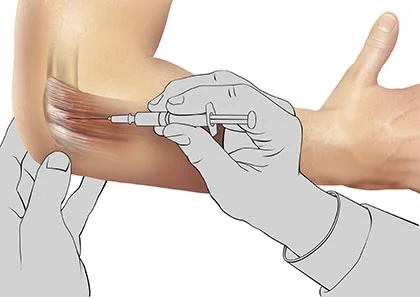
Corticosteroid injections can provide:
✔ Rapid pain relief
✔ Reduced inflammation around painful tissues
However:
❌ Benefits are often temporary
❌ Recurrence rates are high
❌ Repeated injections may weaken the tendon
❌ Multiple injections may increase the risk of tendon degeneration
Steroid injections are therefore used selectively and are not considered a long-term solution.
Platelet-Rich Plasma (PRP) Injection
PRP is prepared from the patient’s own blood and contains a high concentration of growth factors.
The goal is to:
✔ Stimulate tendon healing
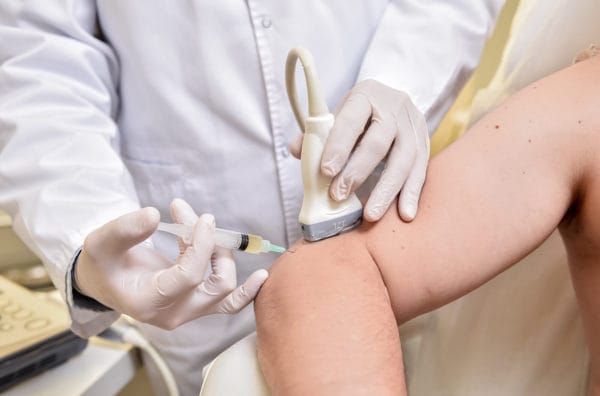
✔ Promote tissue regeneration
✔ Reduce pain
✔ Improve tendon quality
Advantages of PRP
- Biological treatment
- Uses the patient’s own blood
- Addresses tendon degeneration rather than merely masking symptoms
What to Expect
Pain relief may take:
- 6-12 weeks
- Continued improvement for several months
Several studies have shown favourable long-term outcomes with PRP, especially in chronic tendinopathy.
When is Surgery Needed?
Fortunately, only a small percentage of patients require surgery.
Surgery may be considered if:
- Symptoms persist for more than 6-12 months
- Failure of physiotherapy and injections
- Persistent pain affecting quality of life
- MRI shows significant tendon degeneration or tearing
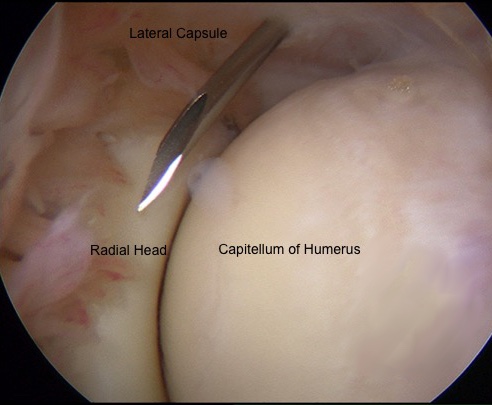
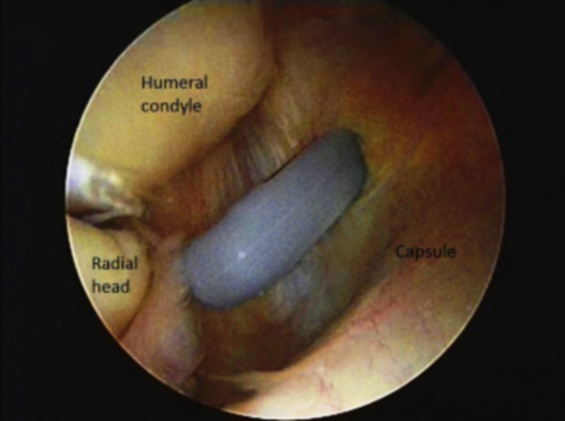
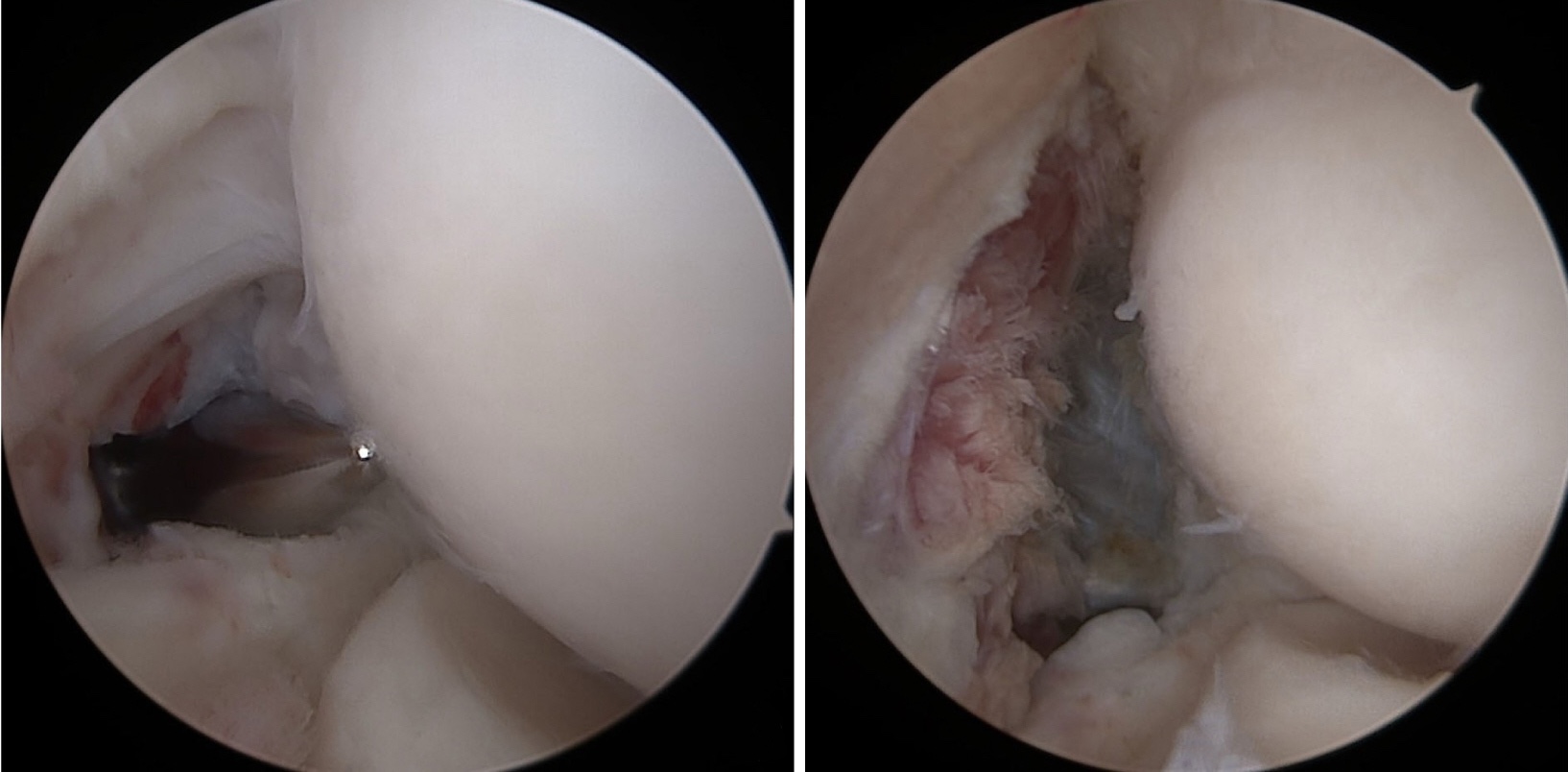
Arthroscopic Release of Tennis Elbow
At DocJoints, selected patients may benefit from arthroscopic tennis elbow release.
The procedure is performed through keyhole surgery.
The Surgeon:
✔ Visualises the elbow joint
✔ Identifies the diseased ECRB tendon
✔ Removes degenerated tissue
✔ Releases the damaged tendon portion
✔ Treats any associated joint problems
Advantages of Arthroscopic Surgery
✔ Small incisions
✔ Less postoperative pain
✔ Ability to treat associated intra-articular pathology
✔ Faster recovery
✔ Early mobilisation
✔ Excellent cosmetic results
Recovery After Arthroscopic Release
| Time | Recovery |
|---|---|
| First few days | Gentle movements |
| 2-6 weeks | Physiotherapy and stretching |
| 6-12 weeks | Strengthening exercises |
| 3-4 months | Return to sports and heavy activities |
Most patients experience significant pain relief and improved function.
Frequently Asked Questions
Will Tennis Elbow Heal by Itself?
Many cases improve with appropriate treatment, but chronic cases may persist if tendon degeneration is severe.
Is It an Inflammatory Condition?
No. It is primarily a degenerative tendon condition.
Is Surgery Common?
No. Most patients improve with physiotherapy and biological treatments such as PRP.
Can I Return to Sports?
Yes. Most patients return to normal activities and sports following appropriate treatment.
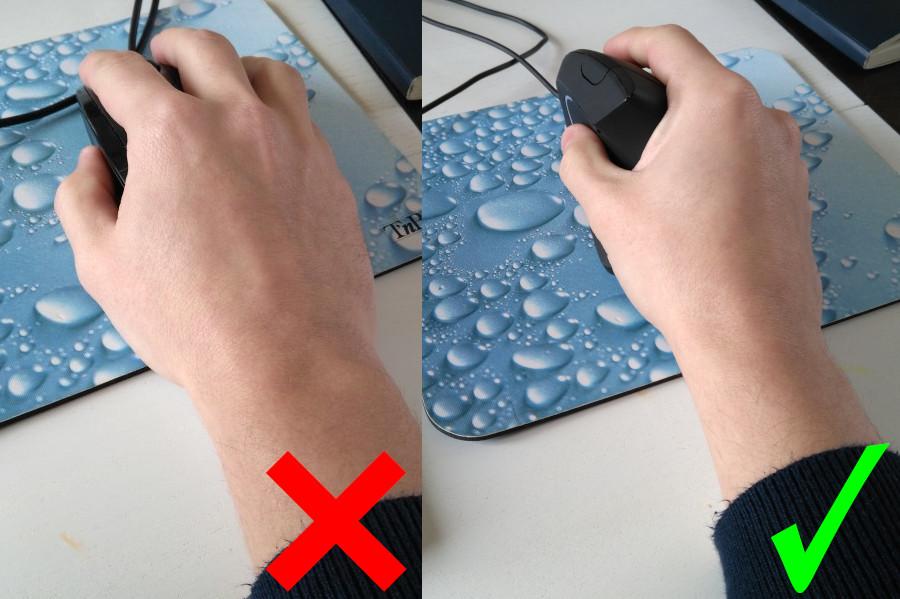
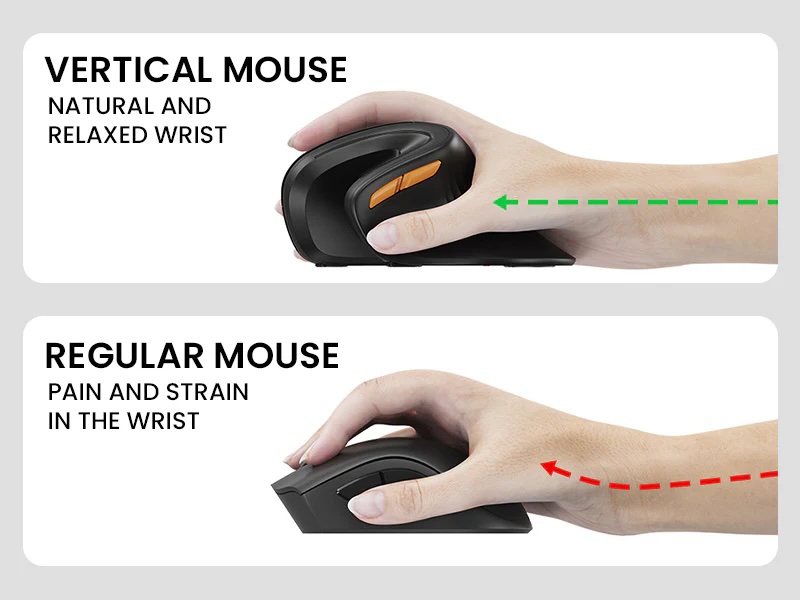
Is there a “mouse hack” for Tennis Elbow?
A vertically tall (handshake-position) mouse keeps the forearm in a neutral position instead of forcing it into pronation.
Why it helps
A conventional mouse causes:
- Forearm pronation
- Continuous wrist extension
- Increased activity of the wrist extensor muscles (ECRB)
A vertical mouse:
✅ Reduces forearm pronation
✅ Decreases strain on the extensor tendons
✅ Keeps the wrist in a natural handshake position
✅ Reduces pain during prolonged computer use
Arthroscopic Latarjet changes life of Violinist

Recent Posts

Sr. Consultant Orthopedic Surgeon, Prof & Head,
Institute of Advanced Orthopedics, MOSC Medical College Hospital, Kolenchery, Kochi, Kerala, India - 682311


